Introduction: Why Regenerative Sustainability Matters More Than Ever
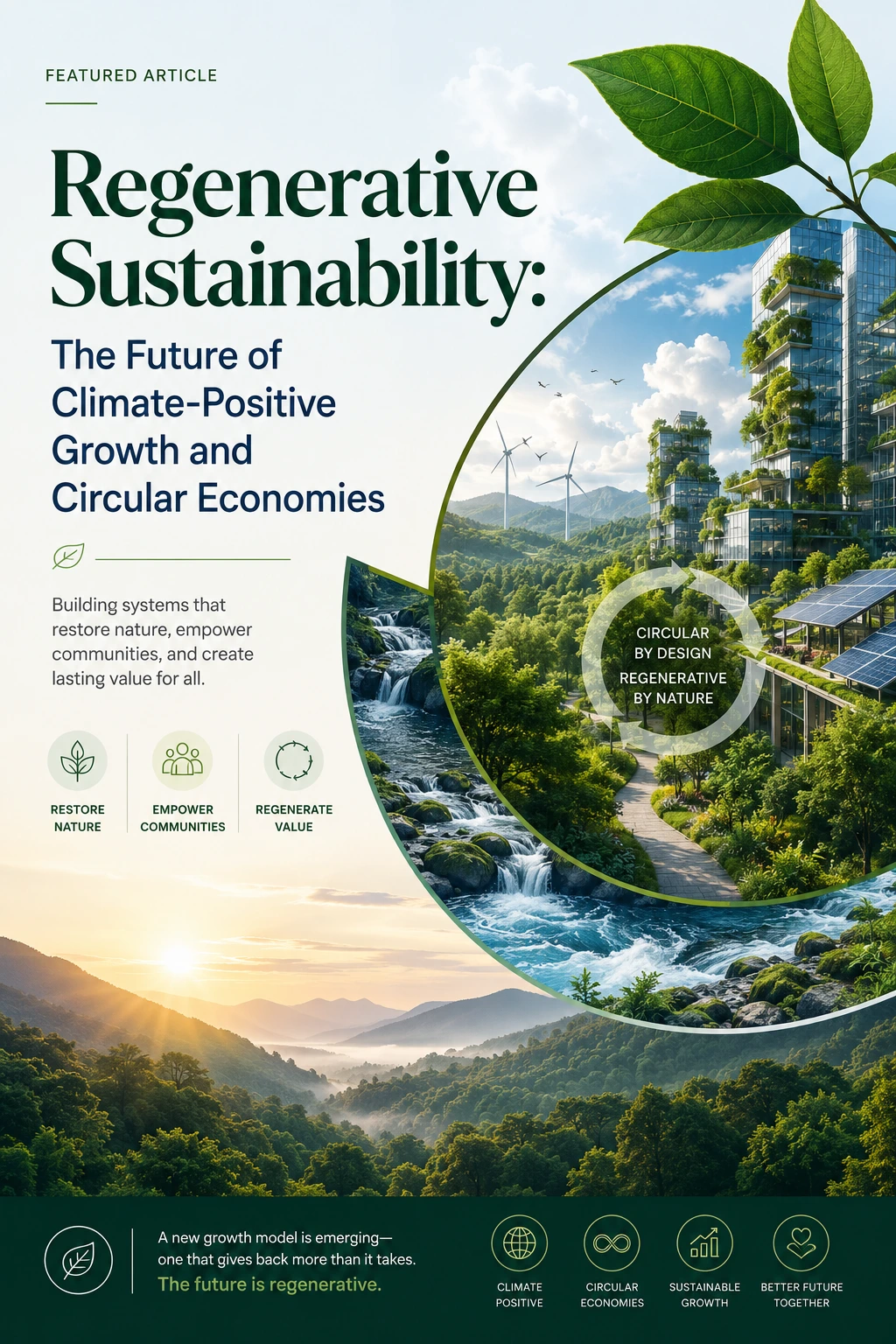
Regenerative sustainability is rapidly becoming one of the most influential frameworks shaping the future of business, urban development, agriculture, energy systems, and environmental governance. Unlike traditional sustainability models that focus on minimizing environmental harm, regenerative sustainability aims to restore ecosystems, rebuild biodiversity, improve soil health, increase carbon sequestration, and create systems that actively generate ecological and social value.
As global carbon emissions continue to rise and natural ecosystems experience accelerated degradation, industries are increasingly moving beyond “net-zero” goals toward regenerative models that rebuild environmental resilience. According to the World Economic Forum, nature-positive business models could generate over $10 trillion in annual economic value by 2030 while creating millions of new jobs across renewable energy, sustainable agriculture, circular manufacturing, and green infrastructure sectors.
The transition toward regenerative sustainability is no longer limited to environmental activists or niche organizations. Today, multinational corporations, governments, investors, architects, and supply chain leaders are integrating regenerative design principles into long-term operational strategies.
What Is Regenerative Sustainability?
Regenerative sustainability refers to systems, processes, and economic models designed not only to reduce negative environmental impact but also to restore and enhance natural ecosystems. It shifts the focus from “doing less harm” to “creating positive environmental outcomes.”
Traditional sustainability frameworks often emphasize:
- Reduced emissions
- Waste minimization
- Energy efficiency
- Compliance standards
- Resource conservation
Regenerative sustainability expands these goals by emphasizing:
- Ecological restoration
- Biodiversity enhancement
- Soil regeneration
- Circular resource systems
- Renewable material cycles
- Community resilience
- Climate-positive infrastructure
Research published by the United Nations Environment Programme highlights that ecosystem restoration initiatives can deliver up to one-third of the climate mitigation required by 2030 to stabilize global warming.
The Core Principles of Regenerative Sustainability
1. Circular Economy Integration
One of the strongest pillars of regenerative sustainability is the circular economy. Unlike linear “take-make-dispose” production systems, circular economies focus on material reuse, remanufacturing, recycling, and regenerative design.
According to the Ellen MacArthur Foundation, circular economy adoption could reduce global greenhouse gas emissions by nearly 45% across key industrial sectors.
Key regenerative circular economy practices include:
- Closed-loop manufacturing
- Biodegradable material innovation
- Industrial symbiosis
- Zero-waste supply chains
- Product-as-a-service models
- Renewable packaging systems
Companies integrating circular systems are increasingly outperforming competitors through improved resource efficiency, reduced operational costs, and stronger ESG performance metrics.
2. Biodiversity Restoration
Biodiversity loss is considered one of the largest global environmental risks. Regenerative sustainability focuses heavily on restoring habitats, protecting ecosystems, and rebuilding ecological diversity.
Organizations such as the International Union for Conservation of Nature emphasize that biodiversity restoration improves climate resilience, water security, pollination systems, and food production stability.
Regenerative biodiversity initiatives include:
- Native habitat restoration
- Wetland regeneration
- Pollinator protection programs
- Reforestation projects
- Urban biodiversity corridors
- Marine ecosystem restoration
The economic implications are equally significant. Healthy ecosystems support agriculture, fisheries, tourism, water purification, and climate regulation worth trillions of dollars globally.
3. Regenerative Agriculture and Soil Health
Regenerative agriculture has emerged as one of the most transformative components of regenerative sustainability.
According to research from the Food and Agriculture Organization, approximately one-third of global soils are moderately to highly degraded due to industrial farming practices.
Regenerative agriculture focuses on:
- No-till farming
- Crop rotation
- Cover cropping
- Compost integration
- Agroforestry
- Holistic grazing systems
- Soil carbon sequestration
Healthy soils store significantly higher amounts of atmospheric carbon dioxide while improving water retention and agricultural productivity.
A report from the Rodale Institute suggests that regenerative organic agriculture could potentially sequester more than 100% of current annual global CO₂ emissions under optimized adoption scenarios.
Regenerative Sustainability and Climate Change Mitigation
Climate adaptation strategies are evolving beyond carbon neutrality toward regenerative climate-positive models.
The concept of climate-positive growth focuses on generating more environmental benefit than environmental cost. This includes:
- Carbon-negative construction
- Renewable energy infrastructure
- Blue carbon restoration
- Urban forest expansion
- Green transportation systems
- Decentralized energy grids
The Intergovernmental Panel on Climate Change continues to emphasize the importance of nature-based climate solutions in achieving long-term climate resilience.
Carbon Sequestration Potential
Regenerative ecosystems naturally absorb and store carbon through forests, wetlands, oceans, and healthy soils.
Key carbon sequestration systems include:
| Regenerative System | Carbon Impact |
|---|---|
| Forest Restoration | Long-term carbon storage |
| Mangrove Ecosystems | High-density blue carbon capture |
| Healthy Agricultural Soils | Atmospheric CO₂ sequestration |
| Urban Green Infrastructure | Reduced urban heat and emissions |
| Wetland Regeneration | Methane and carbon regulation |
These systems not only mitigate emissions but also strengthen flood resilience, water quality, and local climate stability.
Corporate Adoption of Regenerative Sustainability
Global corporations are increasingly embedding regenerative sustainability into ESG reporting frameworks and long-term investment strategies.
Major organizations including Patagonia, Interface, and Unilever have expanded investments into regenerative sourcing, carbon reduction, renewable materials, and circular production ecosystems.
Why Businesses Are Investing in Regenerative Models
Improved Brand Trust
Consumers are increasingly favoring environmentally responsible brands. Research from NielsenIQ indicates that sustainability-driven purchasing behavior continues to rise globally, particularly among younger demographics.
Supply Chain Resilience
Regenerative supply chains improve long-term material security while reducing dependency on volatile resource extraction systems.
Investor Pressure
ESG investing is accelerating globally. Investment firms are prioritizing organizations with measurable climate resilience, biodiversity restoration, and circular economy strategies.
Regulatory Compliance
Governments are tightening emissions regulations, waste management standards, and sustainability disclosure requirements.
Regenerative Urban Development and Smart Cities
Cities account for nearly 70% of global carbon emissions, making regenerative urban planning increasingly critical.
Regenerative cities prioritize:
- Net-positive buildings
- Renewable energy integration
- Green roofs
- Water recycling systems
- Sustainable mobility
- Urban rewilding
- Energy-efficient infrastructure
The C40 Cities Climate Leadership Group has highlighted how regenerative urban planning significantly improves climate adaptation while enhancing public health and economic resilience.
Green Building Technologies
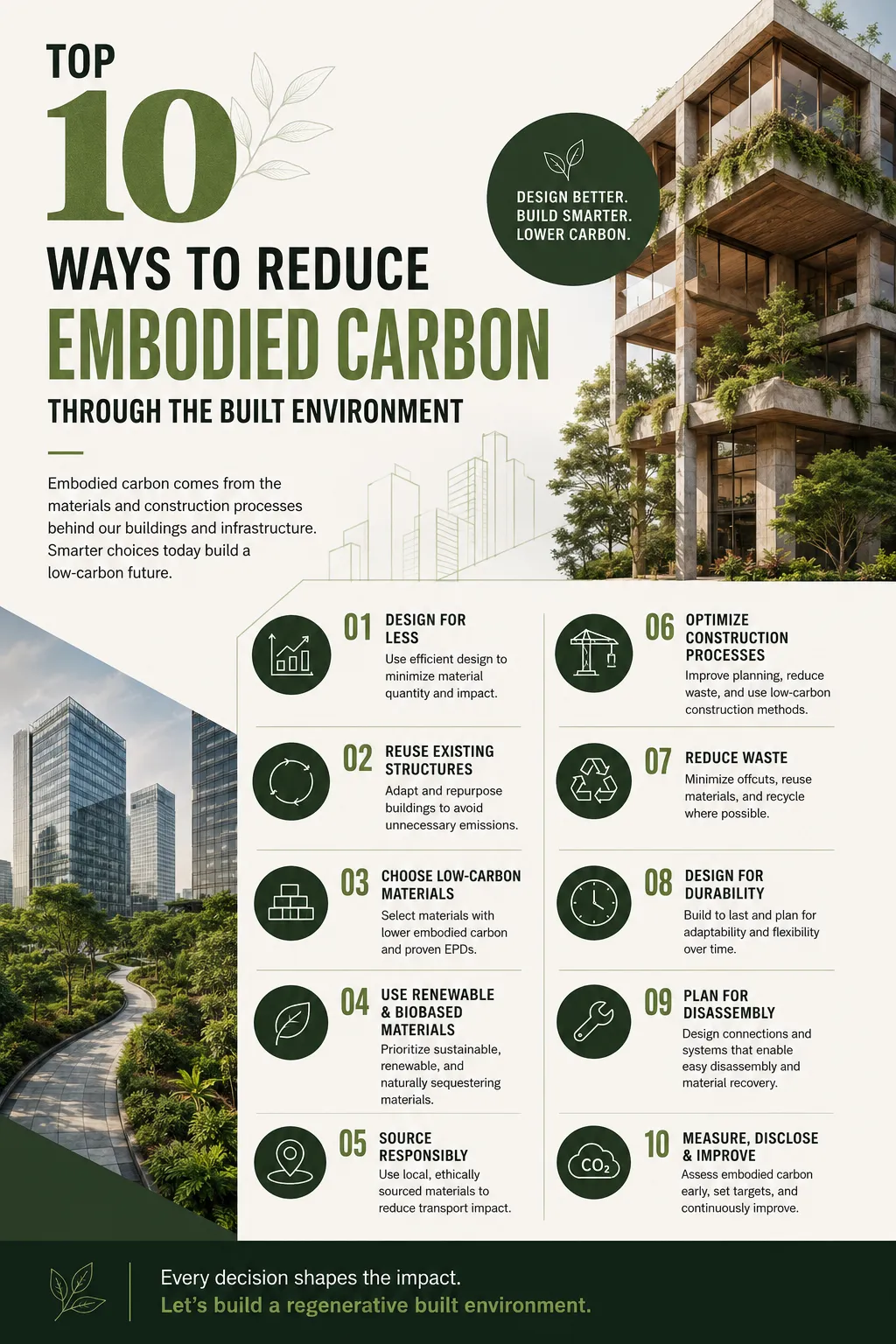
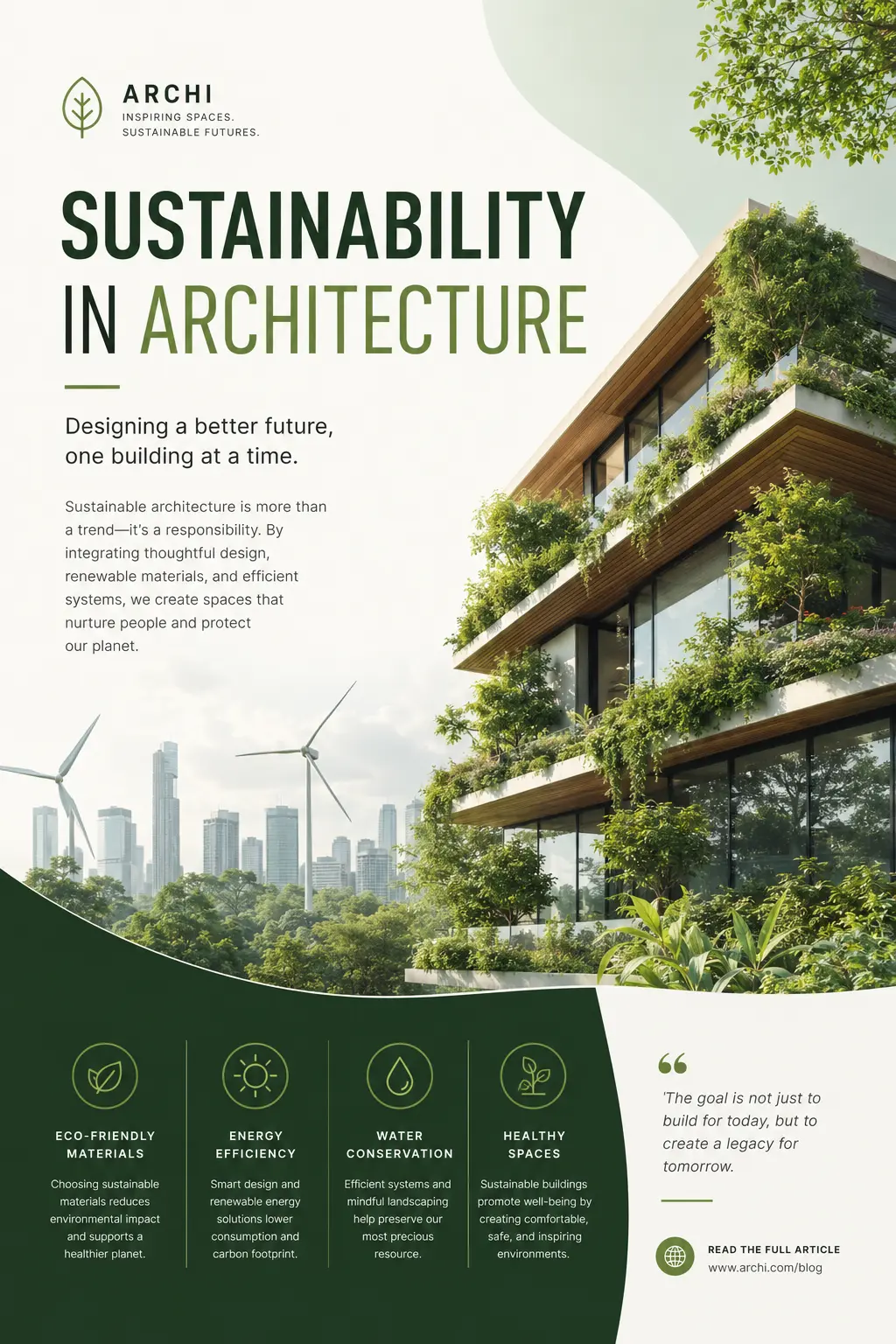
Modern regenerative architecture integrates:
- Passive cooling systems
- Solar energy generation
- Rainwater harvesting
- Carbon-neutral materials
- Biophilic design
- Smart energy management systems
These technologies reduce operational emissions while improving occupant wellness and long-term energy efficiency.
Economic Benefits of Regenerative Sustainability
Regenerative sustainability is increasingly viewed as an economic growth opportunity rather than a compliance burden.
Key Economic Advantages
Reduced Resource Costs
Circular material systems reduce raw material dependency and waste disposal expenses.
Green Job Creation
The renewable energy and ecosystem restoration sectors are generating millions of new employment opportunities globally.
Long-Term Operational Stability
Climate-resilient infrastructure reduces financial risks associated with supply chain disruption, extreme weather, and environmental degradation.
Innovation Acceleration
Regenerative sustainability drives innovation in:
- Clean technology
- Sustainable materials
- Alternative proteins
- Carbon capture systems
- Renewable energy storage
- Waste-to-resource technologies
The International Renewable Energy Agency projects that renewable energy sectors alone could support tens of millions of jobs worldwide by 2050.
Challenges Facing Regenerative Sustainability
Despite strong momentum, several barriers continue to slow adoption.
High Initial Investment Costs
Regenerative infrastructure often requires substantial upfront capital investment.
Lack of Standardized Metrics
Measuring regenerative outcomes remains more complex than traditional sustainability reporting.
Policy and Regulatory Gaps
Many countries still lack comprehensive incentives supporting regenerative transitions.
Greenwashing Risks
Some organizations market sustainability initiatives without implementing meaningful regenerative changes.