Energy EfficiencyMaterialsSustainability

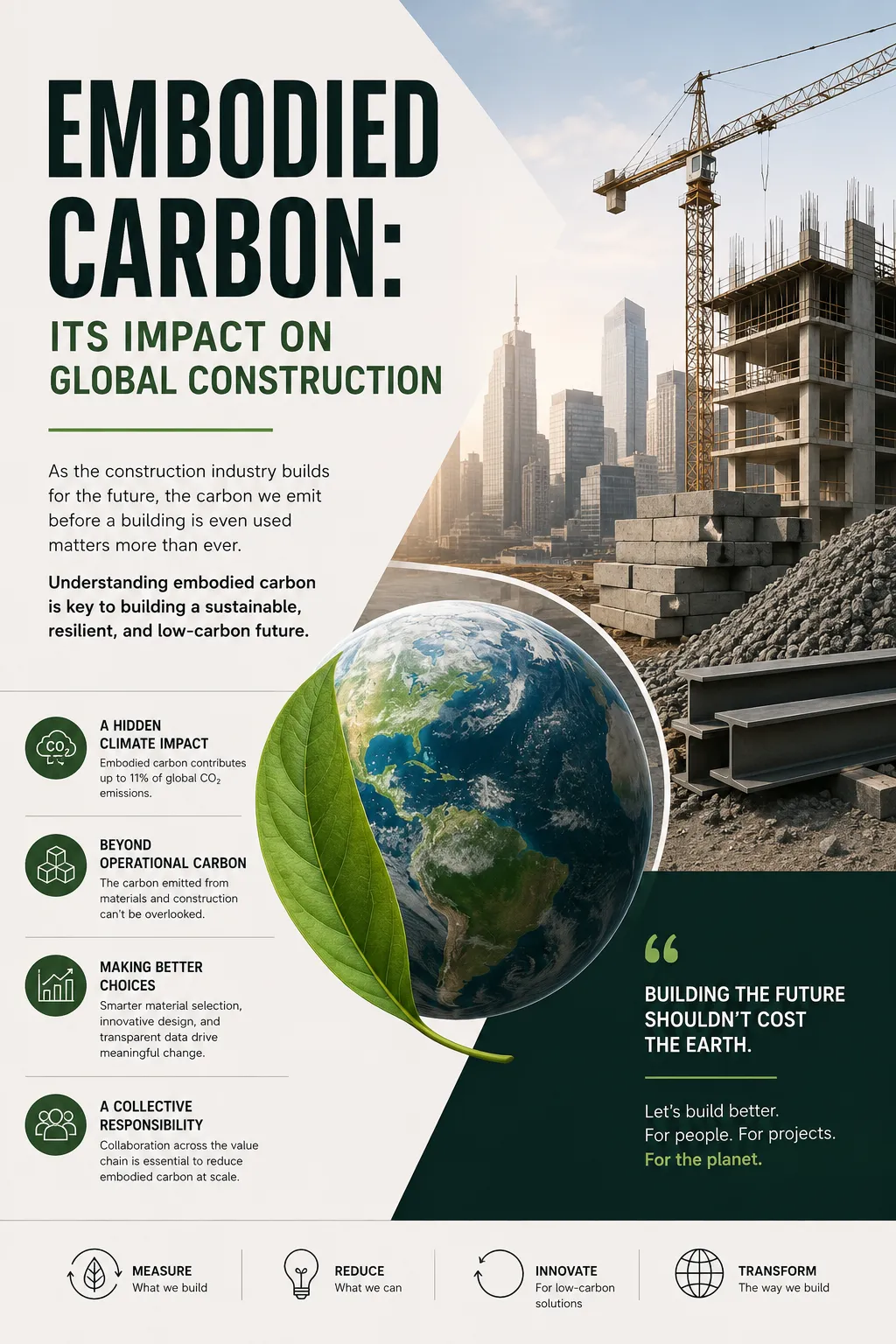
Embodied Carbon: Its Impact on Global Construction

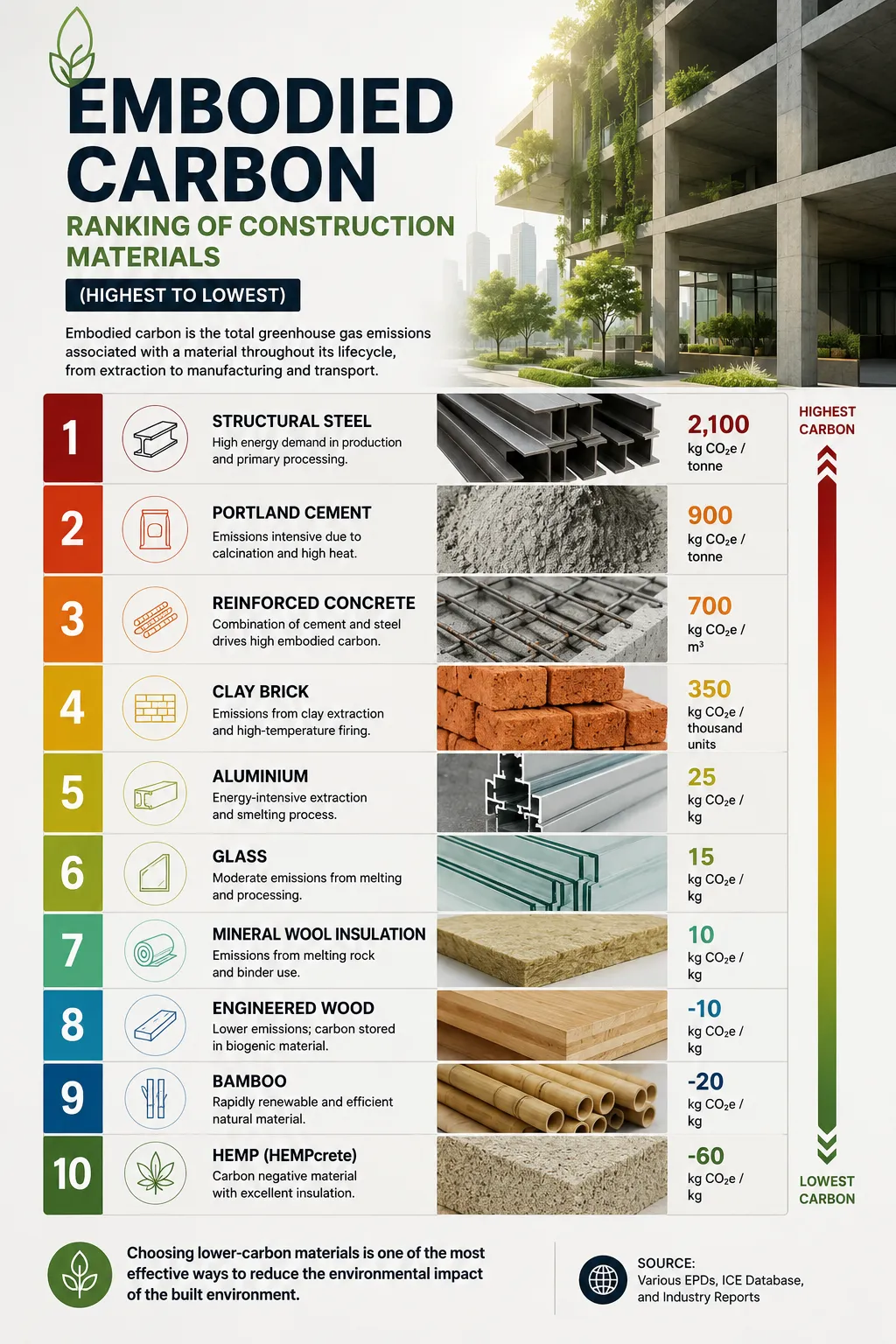
What is Embodied Carbon? Embodied carbon refers to the total greenhouse gas (GHG) emissions generated throughout the lifecycle of building materials before and after a building becomes operational. It includes emissions from raw material extraction, manufacturing, transportation, construction, maintenance, replacement, demolition, and disposal. 1. Why Embodied Carbon Has Become a…

Materials

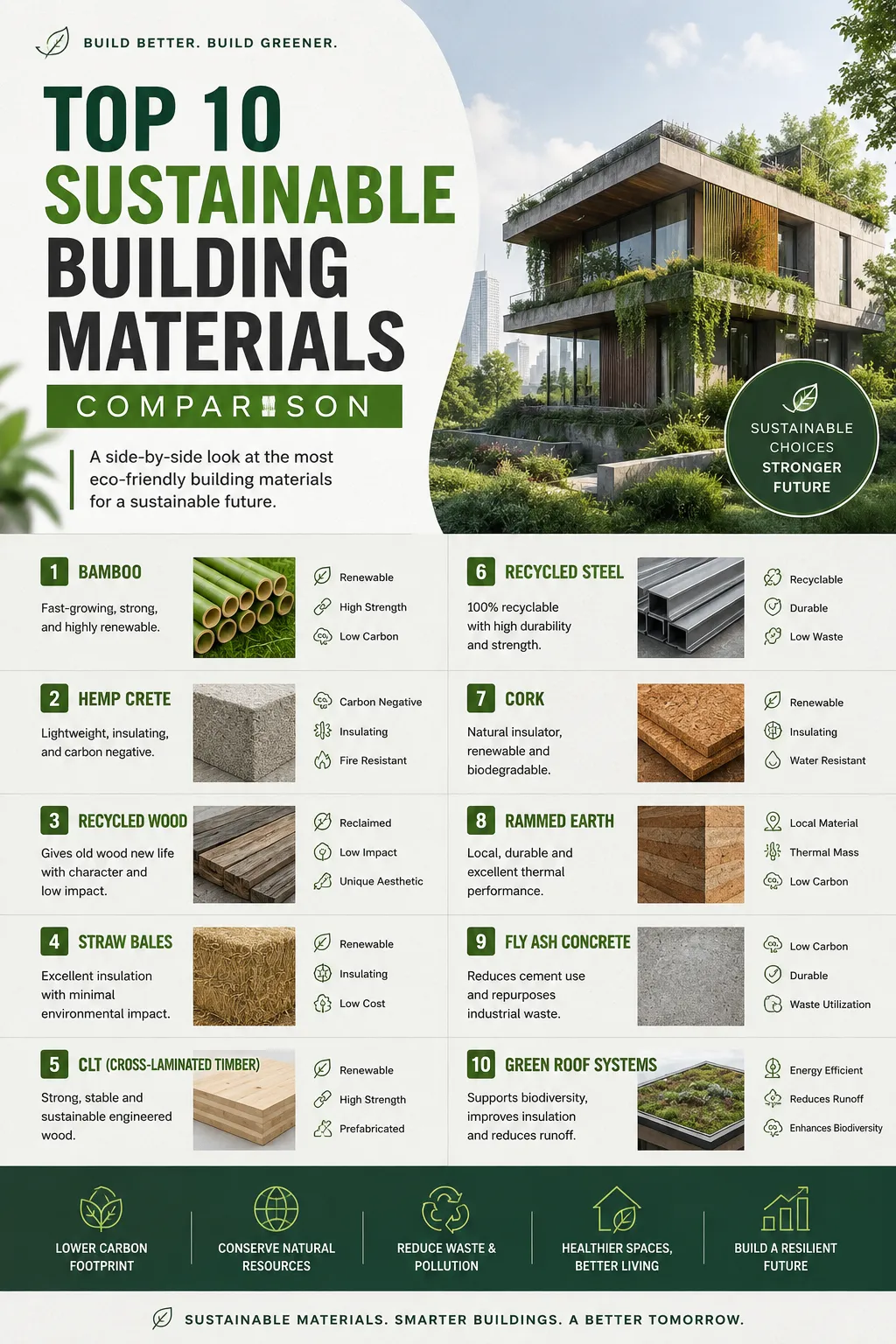
Top 10 Sustainable Building Materials Comparison

Material Embodied Carbon Structural Strength Durability Thermal Efficiency Commercial Readiness CLT Very Low Excellent High High Very High Hempcrete Carbon Negative Low High Excellent Growing Recycled Steel Low Excellent Excellent Moderate Very High Bamboo Very Low High High Good High Low-Carbon Concrete Medium-Low Excellent Excellent Moderate High Rammed Earth Very…

Materials

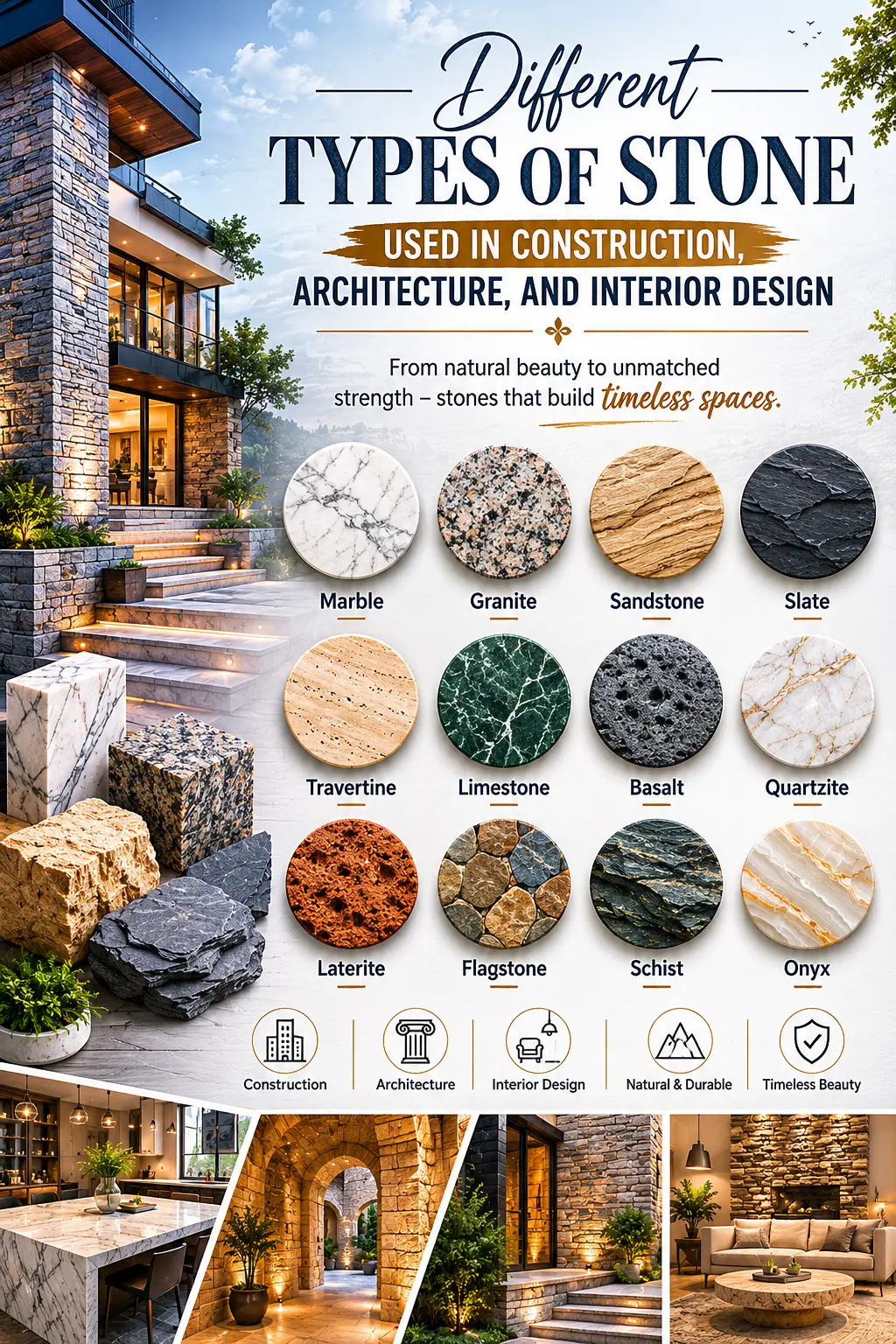
Types of Stone Used in Construction Industry

Complete Guide to Natural Building Stones for Construction, Architecture and Interior Design Natural stone has remained one of the most reliable construction materials for centuries due to its exceptional strength, durability, aesthetic appeal, and long-term performance. From monumental structures and commercial buildings to luxury residences and modern interiors, different types…

Materials

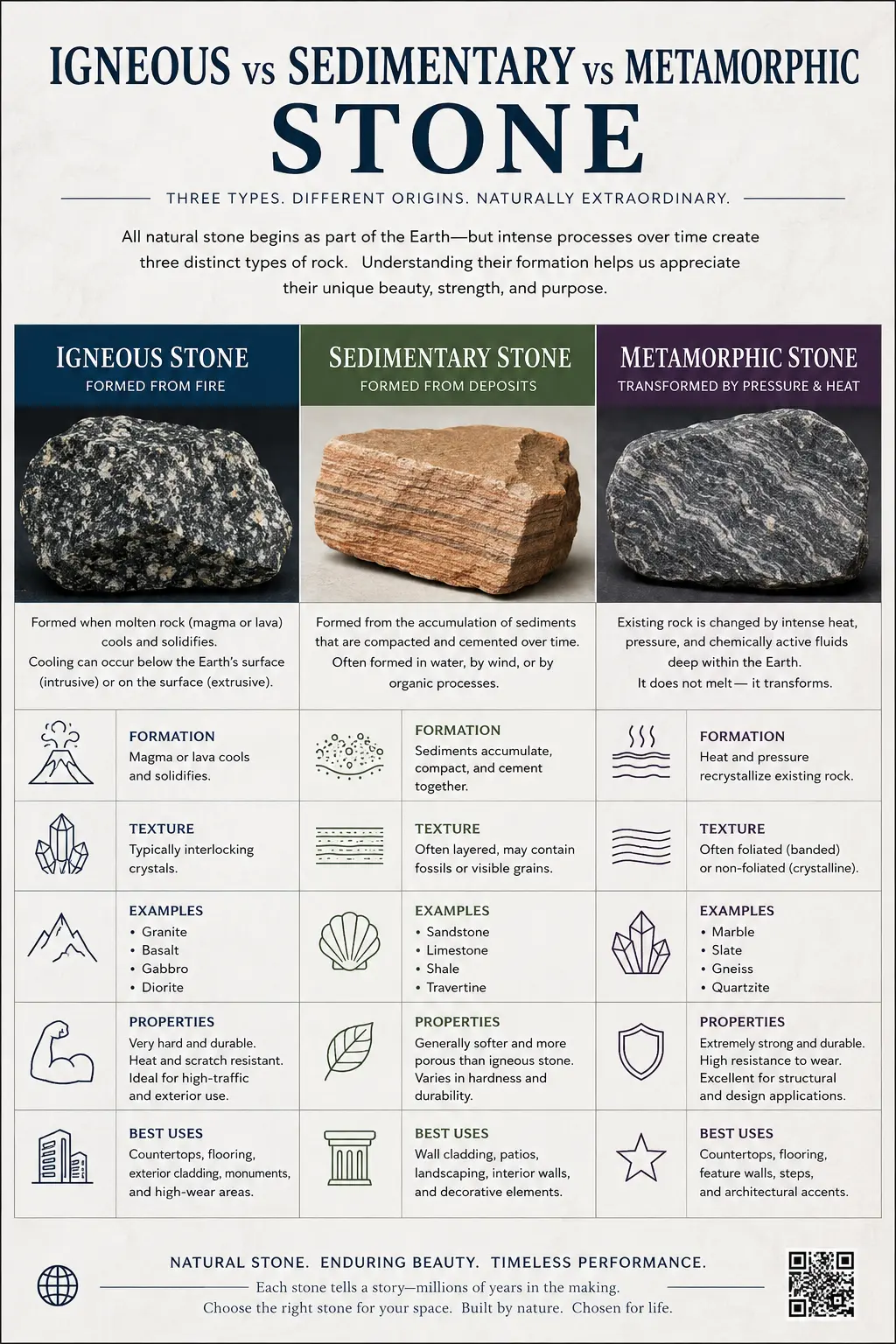
Igneous vs Sedimentary vs Metamorphic Stone

Understanding the Difference Between Igneous, Sedimentary and Metamorphic Stone Natural stone has been one of the most important building materials throughout human history. Whether used in residential construction, commercial architecture, landscaping, monuments, or interior design, stones are generally classified into three primary geological categories: igneous stones, sedimentary stones, and metamorphic…

Energy EfficiencyMaterialsSustainability

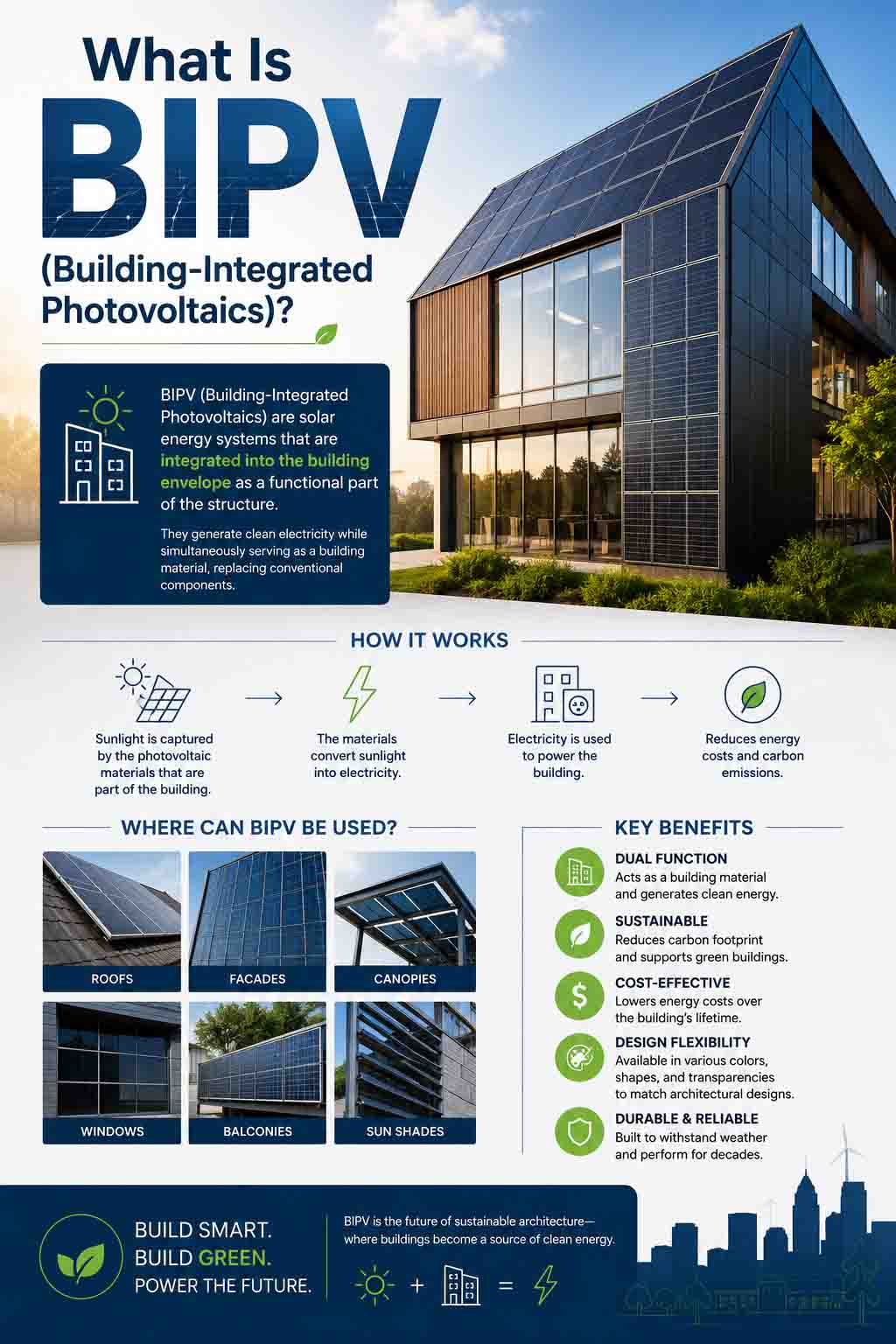
What Is BIPV (Building-Integrated Photovoltaics)?

As global cities accelerate toward carbon neutrality, Building-Integrated Photovoltaics (BIPV) has emerged as one of the most transformative technologies in sustainable architecture. Unlike conventional rooftop solar systems, BIPV integrates photovoltaic materials directly into the structural envelope of buildings — including façades, roofs, skylights, curtain walls, and glazing systems. The technology…

Materials

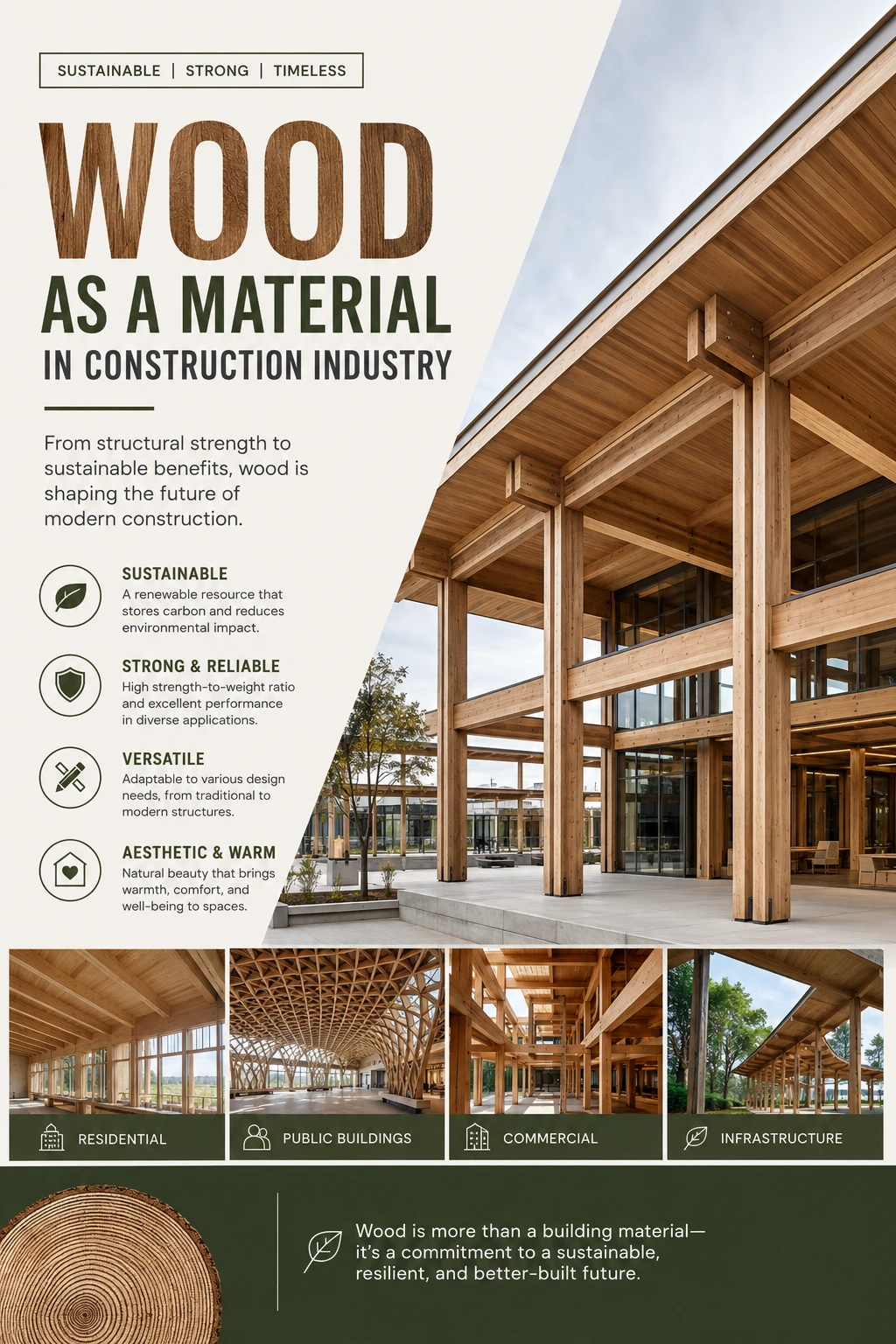
Wood as a material in construction industry

Aspect Summary Aesthetic Warm, natural, and visually appealing. Sustainability Renewable, biodegradable, and stores carbon. Versatility Used for structure, finishes, and décor. Structure CLT, Glulam, and timber framing. Advantages Strong, lightweight, insulating, and quick to build. Challenges Prone to moisture, pests, fire, and needs maintenance. Examples T3 Building, The Smile, Tamedia…