
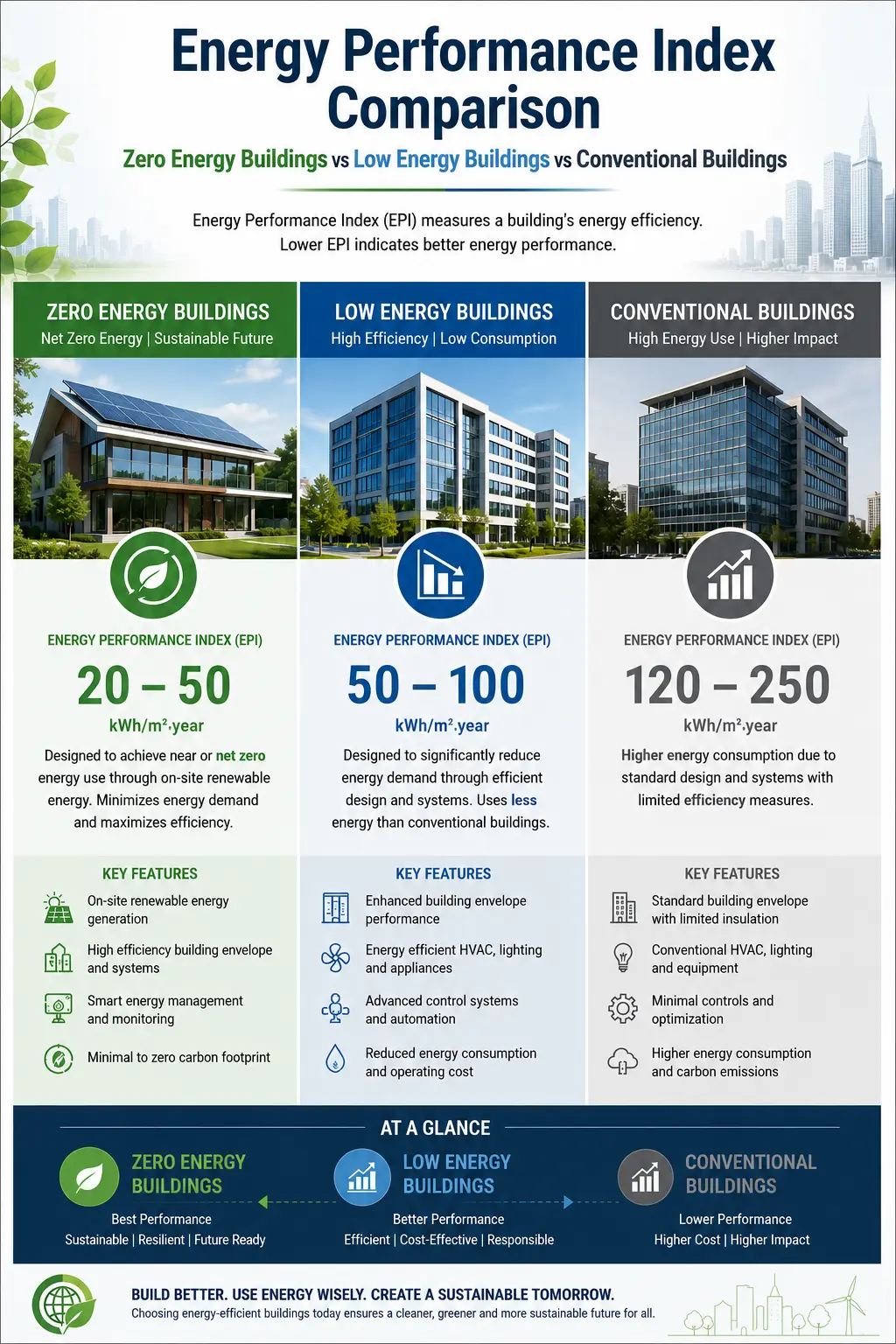
Understanding Energy Performance Index (EPI) in Modern Building Design
As urbanisation accelerates and climate resilience becomes a critical factor in real estate and infrastructure development, the Energy Performance Index (EPI) has become one of the most important metrics in sustainable architecture and building engineering. In moderate tropical climates such as Singapore, where cooling demand dominates annual energy consumption, building efficiency directly influences operational costs, carbon emissions, tenant comfort, and long-term asset value.
The Energy Performance Index measures annual energy consumption per square meter of built-up area, commonly expressed as:
kWh/m²/year
Lower EPI values indicate superior energy efficiency.
Singapore has emerged as a global benchmark for sustainable urban development through initiatives such as the BCA Green Mark Certification Scheme, Singapore Green Building Masterplan, and national decarbonisation frameworks aligned with net-zero goals.
This article presents a detailed comparison between:
- Zero Energy Buildings (ZEB)
- Low Energy Buildings (LEB)
- Conventional Buildings
across multiple space typologies including:
- Commercial Buildings
- Residential Buildings
- Educational Buildings
- Public Buildings
with a specific focus on moderate tropical climates like Singapore.
What is a Zero Energy Building?
A Zero Energy Building (ZEB) is a highly efficient building that produces as much renewable energy annually as it consumes. In Singapore, most zero-energy strategies rely on:
- High-performance building envelopes
- Passive cooling techniques
- Daylight optimisation
- Smart HVAC systems
- Energy recovery ventilation
- Rooftop solar photovoltaic systems
- AI-based building energy management systems
According to the International Energy Agency, net-zero buildings are expected to dominate future urban infrastructure as governments implement stricter carbon reduction mandates.
Typical EPI Range for Zero Energy Buildings in Singapore
| Building Type | Typical EPI Range |
|---|---|
| Commercial | 40–70 kWh/m²/year |
| Residential | 20–45 kWh/m²/year |
| Educational | 35–60 kWh/m²/year |
| Public Buildings | 30–55 kWh/m²/year |
Singapore’s iconic BCA Zero Energy Building demonstrates how tropical architecture can achieve net-zero energy targets through integrated design.
What is a Low Energy Building?
A Low Energy Building (LEB) significantly reduces energy consumption compared to traditional construction but does not necessarily offset total energy demand through renewable generation.
Low-energy buildings commonly implement:
- Efficient chillers
- LED lighting systems
- Occupancy sensors
- Improved glazing systems
- Solar shading devices
- Enhanced insulation
- Variable refrigerant flow systems
These buildings are often considered the most commercially viable transition stage between conventional construction and full net-zero development.
Typical EPI Range for Low Energy Buildings in Singapore
| Building Type | Typical EPI Range |
| Commercial | 70–120 kWh/m²/year |
| Residential | 45–75 kWh/m²/year |
| Educational | 60–100 kWh/m²/year |
| Public Buildings | 55–90 kWh/m²/year |
Many Green Mark Platinum-certified buildings in Singapore fall within this category.
Further guidance on tropical low-energy design can be explored through the World Green Building Council and UN Environment Programme Sustainable Buildings.
What Defines Conventional Buildings?
Conventional buildings typically prioritise lower upfront capital expenditure over long-term energy efficiency. These buildings usually feature:
- Standard HVAC systems
- Minimal insulation
- Inefficient lighting systems
- Limited automation
- High cooling loads
- Poor daylight integration
In Singapore’s humid tropical environment, conventional buildings experience particularly high operational energy demand because air-conditioning systems can account for more than 50% of total electricity consumption.
Typical EPI Range for Conventional Buildings
| Building Type | Typical EPI Range |
| Commercial | 150–300 kWh/m²/year |
| Residential | 90–160 kWh/m²/year |
| Educational | 120–220 kWh/m²/year |
| Public Buildings | 110–200 kWh/m²/year |
Research published by the National University of Singapore and Building and Construction Authority Singapore consistently shows substantial lifecycle savings from transitioning toward low-energy and net-zero designs.
Comparative Analysis of Energy Performance Index by Building Type
1. Commercial Buildings
Commercial office spaces are among the most energy-intensive typologies in Singapore due to:
- High occupancy density
- Continuous cooling demand
- Data infrastructure
- Extended operating hours
- Lighting and elevator systems
EPI Comparison for Commercial Buildings
| Building Category | Average EPI | Energy Savings vs Conventional |
| Conventional Office Building | 180–300 kWh/m²/year | Baseline |
| Low Energy Commercial Building | 70–120 kWh/m²/year | 40–60% |
| Zero Energy Commercial Building | 40–70 kWh/m²/year | 70–85% |
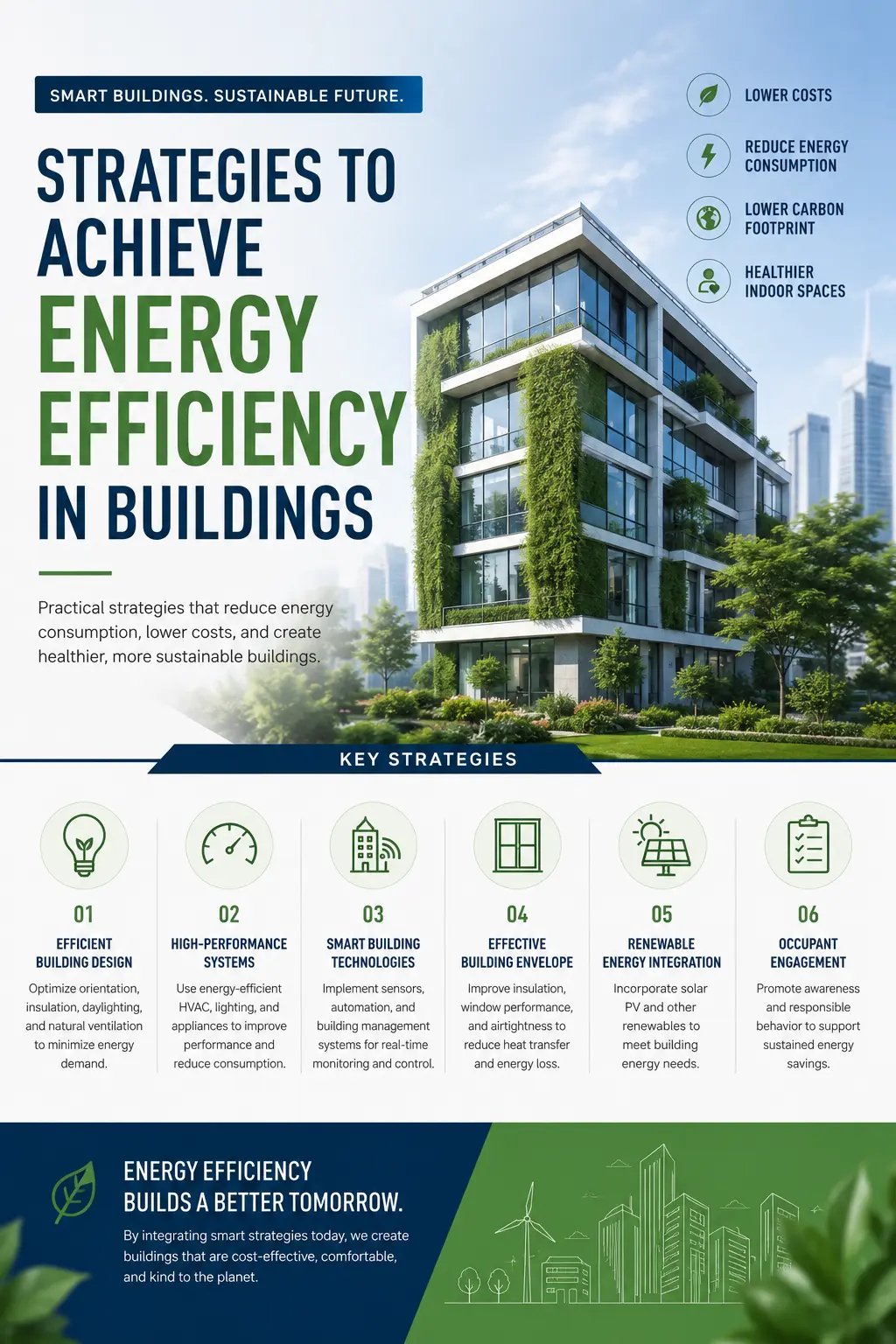
Key Efficiency Drivers in Commercial Buildings
Smart HVAC Optimisation
Advanced HVAC control systems can reduce cooling loads by up to 30%. Technologies such as demand-controlled ventilation and predictive analytics are increasingly implemented in Singapore Grade-A office developments.
High-Performance Facades
Double-glazed low-E curtain walls significantly minimise solar heat gain.
Building Automation Systems
Integrated energy management platforms optimise lighting, occupancy scheduling, and cooling efficiency.
The Singapore Green Plan 2030 strongly encourages green commercial infrastructure through sustainability mandates and energy benchmarking requirements.
2. Residential Buildings
Residential energy consumption patterns in Singapore differ significantly from commercial properties because occupancy is more intermittent.
Major residential energy loads include:
- Air conditioning
- Domestic hot water
- Kitchen appliances
- Lighting
- Home electronics
EPI Comparison for Residential Buildings
| Building Category | Average EPI | Energy Savings vs Conventional |
| Conventional Residential Building | 90–160 kWh/m²/year | Baseline |
| Low Energy Residential Building | 45–75 kWh/m²/year | 35–55% |
| Zero Energy Residential Building | 20–45 kWh/m²/year | 65–85% |
Most Effective Residential Energy Strategies
Cross Ventilation Design
Passive ventilation substantially reduces cooling dependency in tropical climates.
Solar Photovoltaic Integration
Rooftop solar systems are increasingly common in landed residential developments.
Energy-Efficient Appliances
Singapore’s National Environment Agency appliance efficiency regulations have improved household energy performance significantly.
Smart Home Automation
IoT-enabled occupancy sensors and smart thermostats optimise electricity usage patterns.
3. Educational Buildings
Educational facilities require consistent thermal comfort and indoor air quality for occupant productivity and learning performance.
In Singapore, schools and universities are rapidly adopting sustainable campus strategies.
EPI Comparison for Educational Buildings
| Building Category | Average EPI | Energy Savings vs Conventional |
| Conventional Educational Building | 120–220 kWh/m²/year | Baseline |
| Low Energy Educational Building | 60–100 kWh/m²/year | 40–55% |
| Zero Energy Educational Building | 35–60 kWh/m²/year | 65–80% |
Key Performance Factors
Daylighting Optimisation
Natural daylight significantly reduces lighting loads while enhancing student wellbeing.
Efficient Cooling Systems
Hybrid cooling systems combining natural ventilation and mechanical cooling deliver strong performance improvements.
Occupancy-Based Controls
Classroom scheduling integration helps minimise unnecessary operational energy.
Institutions such as Nanyang Technological University have implemented advanced sustainability programs focused on campus energy optimisation.
4. Public Buildings
Public infrastructure includes:
- Government offices
- Libraries
- Community centres
- Healthcare facilities
- Civic infrastructure
These buildings often operate long hours and serve diverse occupancy patterns.
EPI Comparison for Public Buildings
| Building Category | Average EPI | Energy Savings vs Conventional |
| Conventional Public Building | 110–200 kWh/m²/year | Baseline |
| Low Energy Public Building | 55–90 kWh/m²/year | 40–60% |
| Zero Energy Public Building | 30–55 kWh/m²/year | 70–85% |
Important Design Strategies
Centralised Energy Management
Large-scale monitoring platforms improve operational efficiency.
Solar Integration
Public buildings in Singapore increasingly incorporate rooftop solar systems under national decarbonisation programs.
Sustainable Material Selection
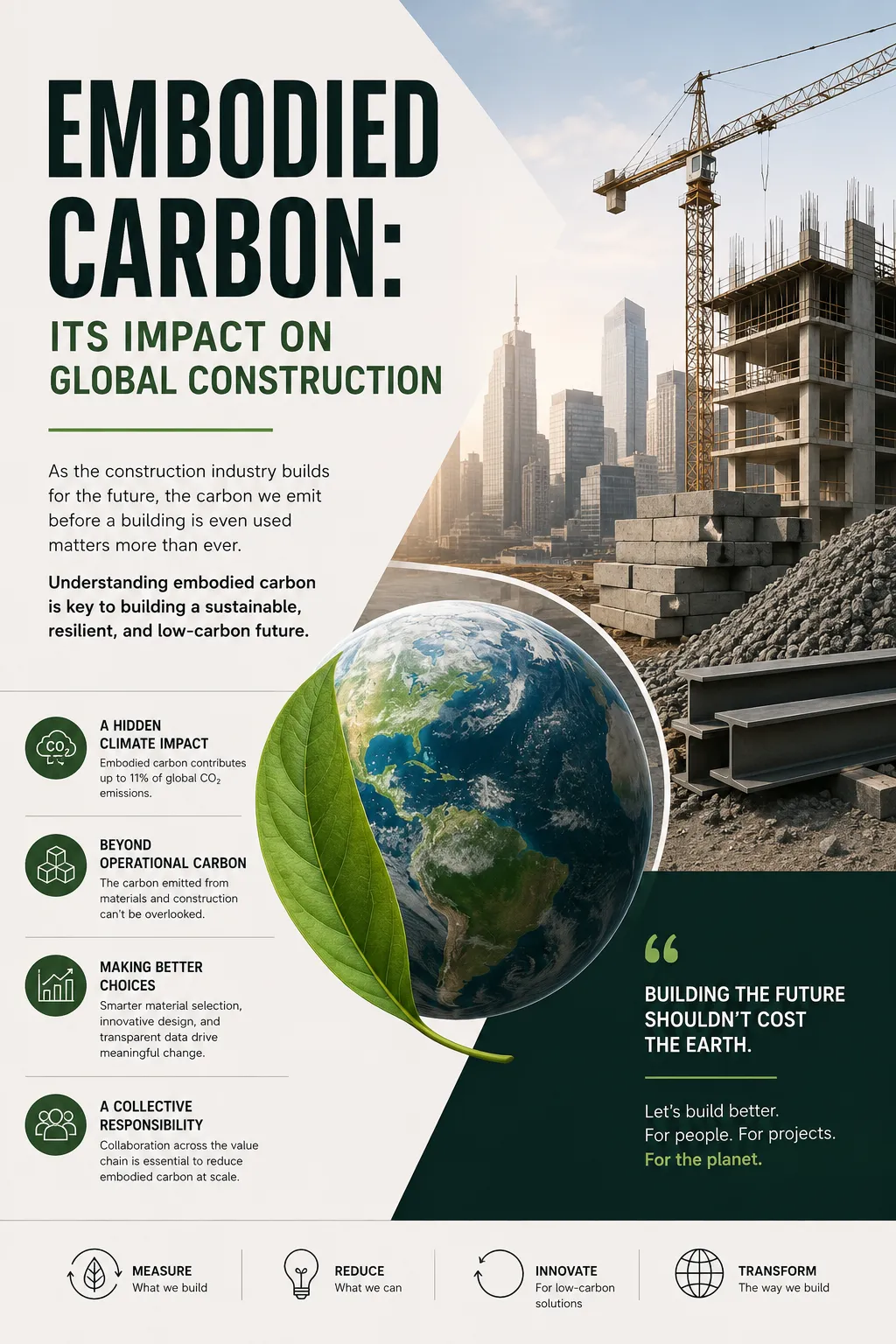
Embodied carbon reduction complements operational energy efficiency.
The Urban Redevelopment Authority Singapore promotes sustainable urban infrastructure through climate-responsive planning policies.
Why Moderate Tropical Climates Require Different EPI Benchmarks
Unlike temperate climates where heating dominates annual energy demand, Singapore’s moderate tropical climate creates unique design priorities:
- Continuous cooling demand
- High humidity levels
- Intense solar radiation
- Heavy rainfall
- Limited seasonal temperature variation
As a result, tropical sustainable buildings prioritise:
- Solar heat gain reduction
- Humidity control
- Ventilation efficiency
- Passive cooling
- Shading optimisation
The Centre for Liveable Cities Singapore highlights climate-responsive urban design as essential for future city resilience.
One thought on “Energy Performance Index Comparison: Zero Energy Buildings vs Low Energy Buildings vs Conventional Buildings in Singapore”