Geographic Area and Urban Scale
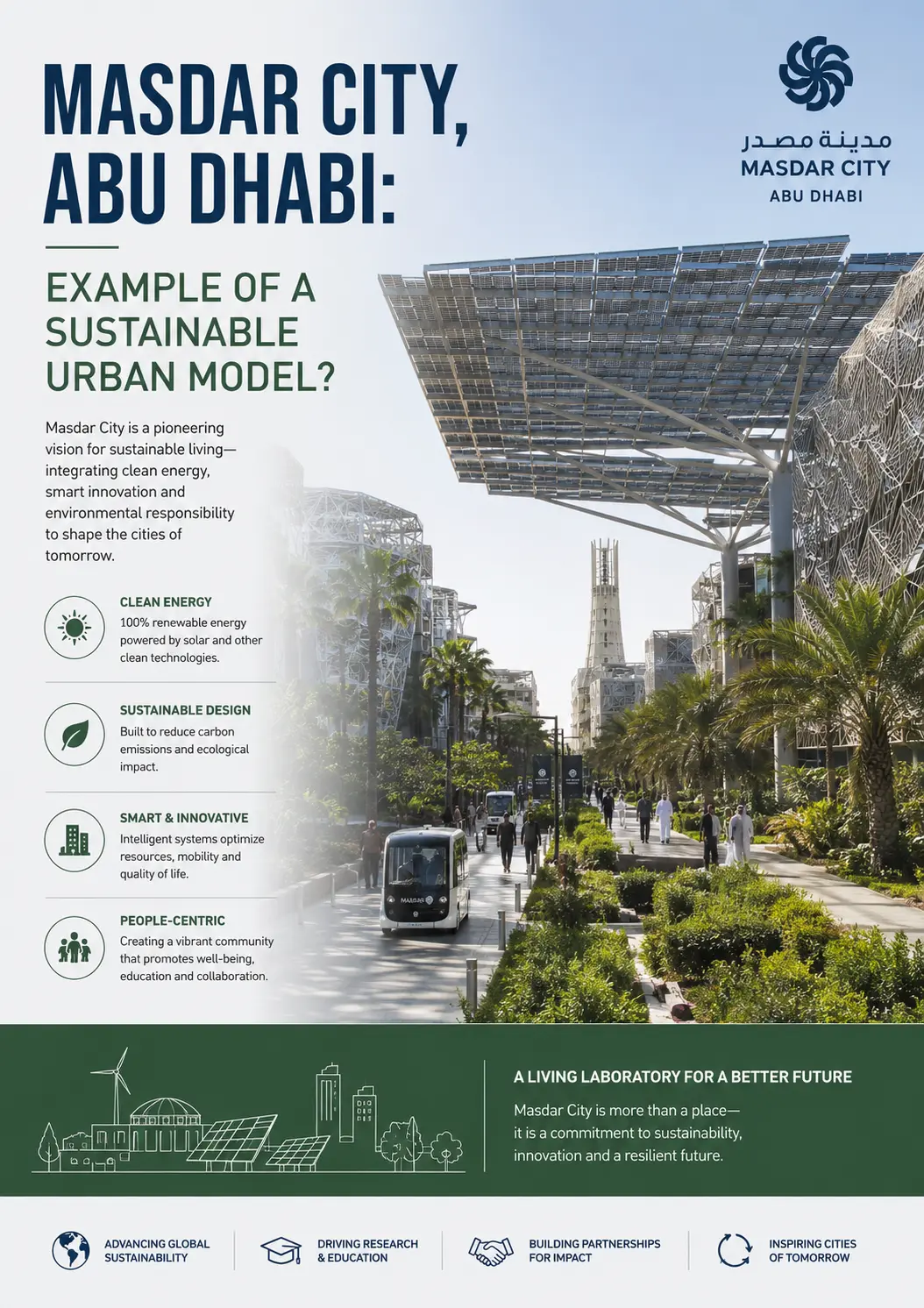
Masdar City is located approximately 17 kilometers from central Abu Dhabi and was initially planned across nearly 6 square kilometers of urban land area. The masterplan targeted a population of around 40,000 permanent residents and an additional 50,000 daily commuters working within commercial and research zones.
The city was conceptualized by Foster + Partners using compact urban morphology inspired by traditional Arab settlements. Narrow shaded streets, reduced solar heat gain, and high-density mixed-use layouts were intended to reduce cooling loads significantly in the desert climate.
Although the original completion target was 2016, development timelines were revised due to global financial pressures and evolving technological frameworks. Current expansion strategies continue to transform Masdar into a hybrid research-commercial sustainability district rather than a fully isolated eco-city.
Power Consumption and Renewable Energy Framework
Solar Energy Infrastructure
One of Masdar City’s defining characteristics is its renewable energy integration strategy. The city initially deployed a 10 MW solar photovoltaic plant supported by approximately 1 MW rooftop solar installations distributed across buildings and institutional infrastructure.
This solar network significantly offsets conventional electricity dependency while demonstrating the scalability of decentralized clean-energy systems in arid climates.
Key Renewable Energy Components
- Utility-scale photovoltaic generation
- Rooftop solar integration
- Smart-grid optimization
- Energy-efficient building envelopes
- Passive ventilation systems
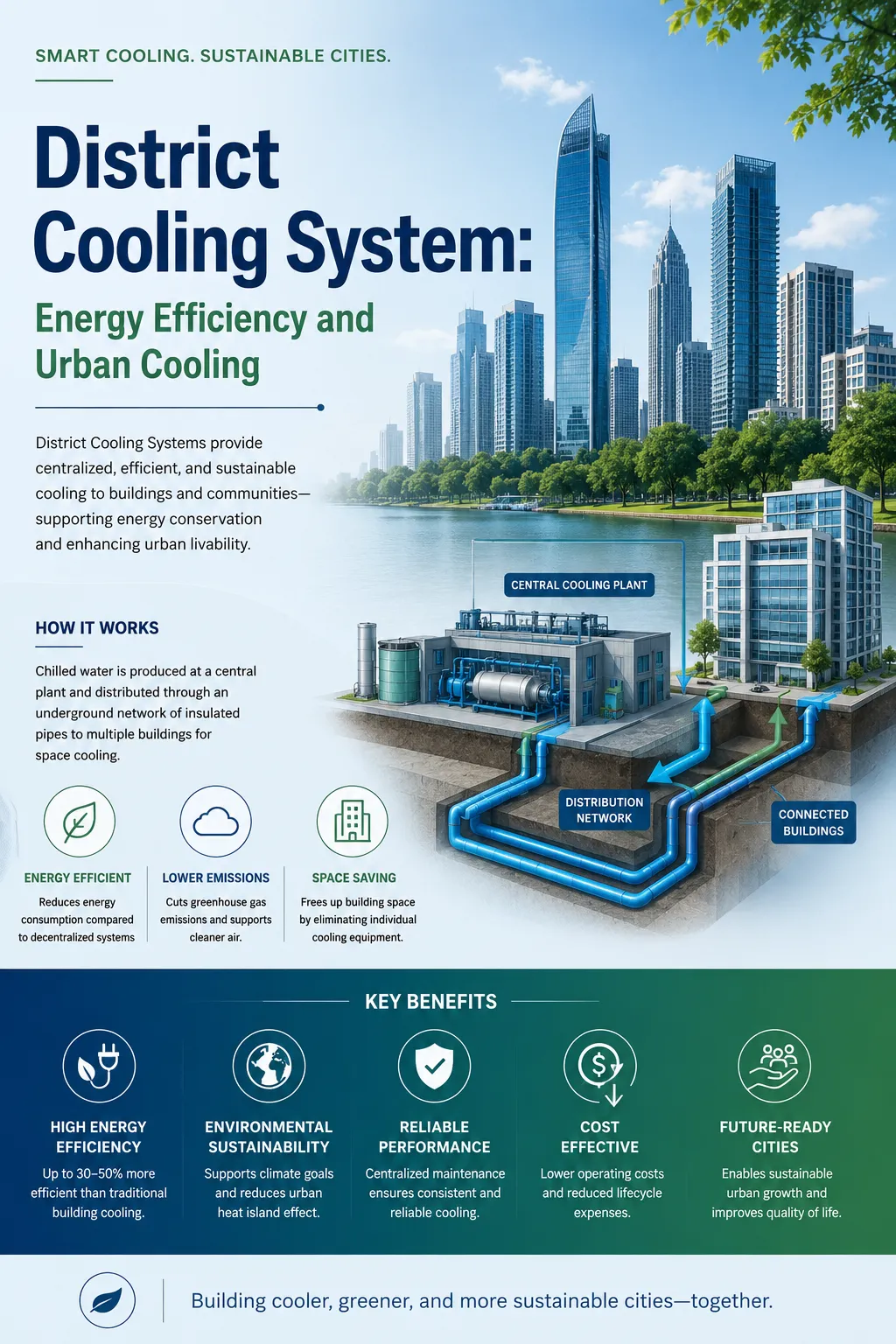
- District cooling technologies
- AI-supported energy monitoring systems
According to multiple sustainability assessments, buildings in Masdar City consume nearly 40% less energy than average buildings in Abu Dhabi due to passive cooling architecture and optimized insulation systems.
Energy Performance Index (EPI) and Efficiency Metrics
The Energy Performance Index (EPI) is a critical metric used to measure energy consumption per square meter annually. While exact EPI values vary by building category and occupancy type, Masdar’s institutional and commercial structures consistently outperform regional benchmarks.
Estimated EPI Characteristics
Conventional Gulf Urban Buildings
- Typical EPI Range: 250–350 kWh/m²/year
Masdar City Sustainable Buildings
- Estimated EPI Range: 90–150 kWh/m²/year
This reduction is achieved through:
- High-performance façade systems
- Solar shading optimization
- Smart HVAC control
- Reduced artificial lighting dependency
- Wind-assisted ventilation towers
- Sensor-driven building automation
The integration of vernacular desert architecture with modern engineering has become one of Masdar’s strongest urban sustainability contributions.
Usage Types and Functional Urban Zones
Masdar City operates through multiple urban-use typologies rather than a single residential framework.
1. Research and Innovation Hub
The city hosts clean-tech laboratories, renewable energy research facilities, sustainability startups, and academic institutions focused on energy transition technologies.
Major sectors include:
- Renewable energy research
- Green hydrogen studies
- Smart mobility systems
- AI-enabled energy analytics
- Sustainable construction materials
The presence of the International Renewable Energy Agency further strengthens Masdar’s global sustainability positioning.
2. Residential Development
Residential districts emphasize:
- Low-carbon living
- Walkability
- Reduced automobile dependency
- Smart water management
- Energy-efficient housing units
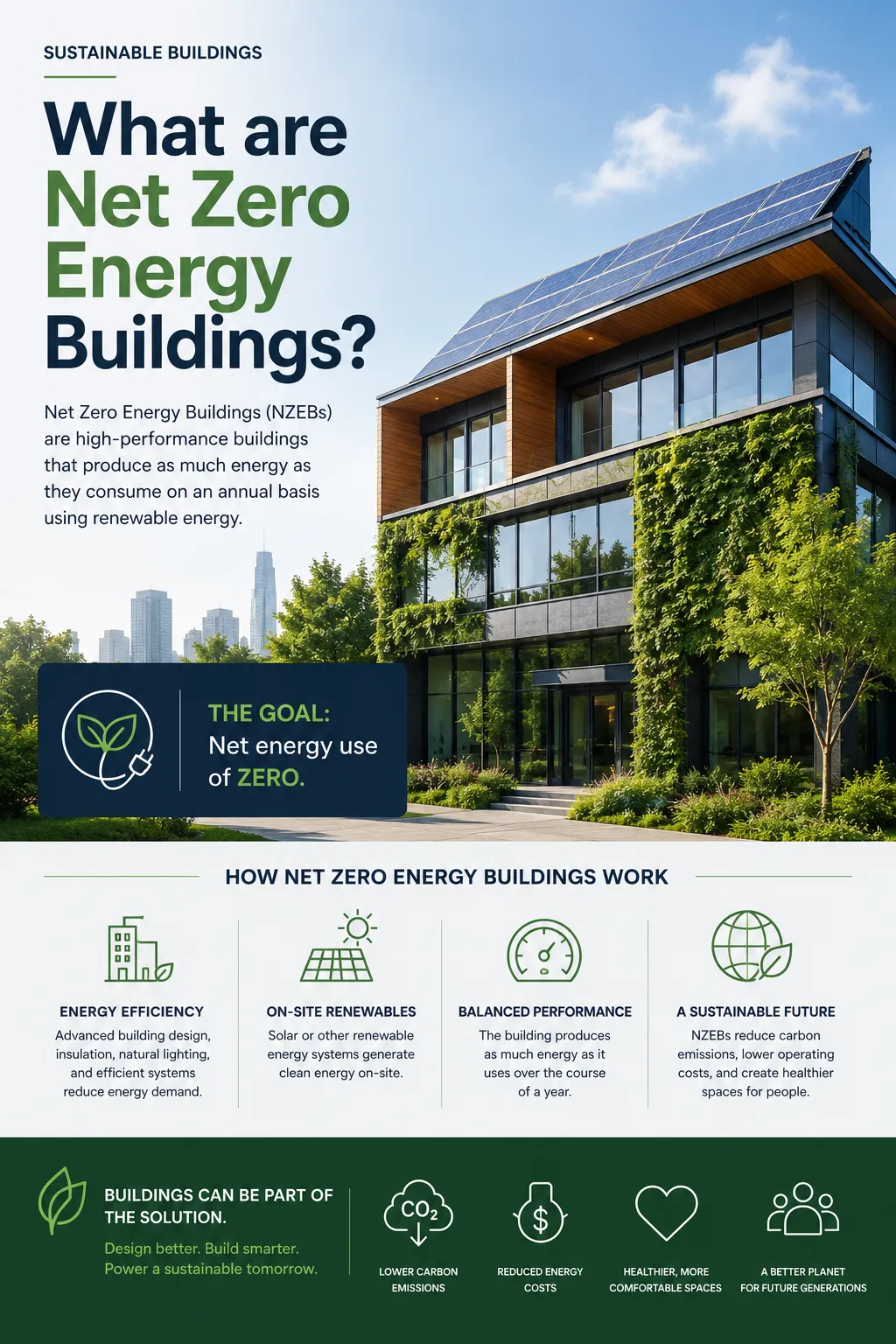
The city’s Eco-Villa program demonstrated near net-zero residential performance using passive design and rooftop solar systems.
3. Commercial and Free-Zone Economy
Masdar Free Zone has become a strategic economic platform attracting global clean-tech firms, sustainability consultancies, engineering companies, and renewable-energy investors.
Key economic sectors include:
- Climate-tech startups
- Renewable engineering firms
- Sustainable mobility companies
- Environmental analytics
- Circular economy businesses
4. Educational and Institutional Infrastructure
The city supports higher education and research collaboration in sustainability sciences, energy systems, and climate adaptation technologies. This educational dimension differentiates Masdar from purely real-estate driven smart-city projects.
Present Scenario of Masdar City
Current Development Status
Masdar City today functions as a partially completed but operational sustainability district. While the original vision of a fully carbon-neutral city remains unrealized, the project has evolved into a practical demonstration platform for sustainable urban systems.
By 2023–2025:
- Approximately 15,000 people were living or working within the district
- Several commercial clusters became operational
- Grid connectivity replaced the fully isolated energy model
- Renewable integration expanded incrementally
- Smart transportation pilots continued selectively
The shift from a “zero-carbon utopia” toward a “high-efficiency smart district” reflects broader global realities regarding scalability, economics, and infrastructure integration.
Future Prospects of Masdar City
1. AI-Integrated Energy Systems
Future sustainability models within Masdar are increasingly expected to rely on AI-driven energy forecasting, predictive cooling optimization, and autonomous grid balancing systems.
AI-supported urban infrastructure can:
- Predict peak electricity demand
- Reduce HVAC energy waste
- Improve solar utilization efficiency
- Optimize battery storage cycles
- Enable decentralized microgrids
2. Green Hydrogen Development
Masdar’s future roadmap strongly aligns with green hydrogen infrastructure development, positioning Abu Dhabi as a global exporter of low-carbon fuels.
Potential future applications include:
- Industrial decarbonization
- Sustainable aviation fuel
- Hydrogen mobility systems
- Grid-scale storage solutions
3. Expansion of Net-Zero Commercial Buildings
The development of net-zero office spaces and climate-responsive business districts is expected to accelerate as environmental regulations tighten globally.
4. Climate Adaptation Urbanism
Masdar City increasingly represents a prototype for climate-resilient urban development in extreme heat environments. Future Gulf cities may adopt similar:
- Shaded pedestrian systems
- Low-energy cooling strategies
- Solar-intensive energy networks
- Water recycling infrastructure
- Heat mitigation architecture
Impact on Local Level
Employment Generation
Masdar has generated specialized employment opportunities in:
- Renewable energy engineering
- Smart-city operations
- Sustainability consulting
- Urban analytics
- Environmental architecture
This diversification supports Abu Dhabi’s transition beyond oil-dependent economic structures.
Technological Ecosystem Growth
The city has accelerated innovation clusters linked to clean technology startups and research commercialization. This has strengthened the UAE’s positioning in the global sustainability economy.
Urban Heat Reduction
Passive cooling methods and reduced vehicular dependency contribute to lower urban heat island effects compared to conventional Gulf developments.
Impact on City-Level and National Scale
Strategic Diversification of UAE Economy
Masdar City functions as a symbolic and operational pillar of the UAE’s broader economic diversification strategy.
Key strategic outcomes include:
- Reduced fossil fuel dependency
- Increased renewable energy investment
- Global sustainability branding
- Climate diplomacy leadership
- Attraction of foreign green-tech investment
Global Sustainability Benchmarking
Despite criticism regarding delays and scalability limitations, Masdar remains one of the most influential case studies in sustainable urban planning worldwide.
Urban planners globally continue studying Masdar for insights into:
- Desert urbanism
- Renewable-powered districts
- Smart-grid architecture
- Integrated mobility systems
- Carbon-neutral planning frameworks
Challenges and Limitations
While Masdar City represents major innovation, several challenges remain significant.
Key Limitations
1. Financial Scalability
High capital expenditure remains a barrier for replicating similar projects globally.
2. Population Density Gap
Actual occupancy remains significantly lower than original projections.
3. Carbon Neutrality Constraints
Grid integration and operational realities reduced the feasibility of complete carbon neutrality.
4. Technological Dependence
Advanced infrastructure requires continuous maintenance and highly specialized operational expertise.
One thought on “Masdar City, Abu Dhabi: Example of a Sustainable Urban Model?”