Designing for a hot and dry climate means focusing on keeping interiors cool, reducing water use, and using materials and layouts that handle intense sun and large temperature swings. Here’s a tailored list of sustainable design ideas for this environment:
🌞 Climate-Specific Passive Design
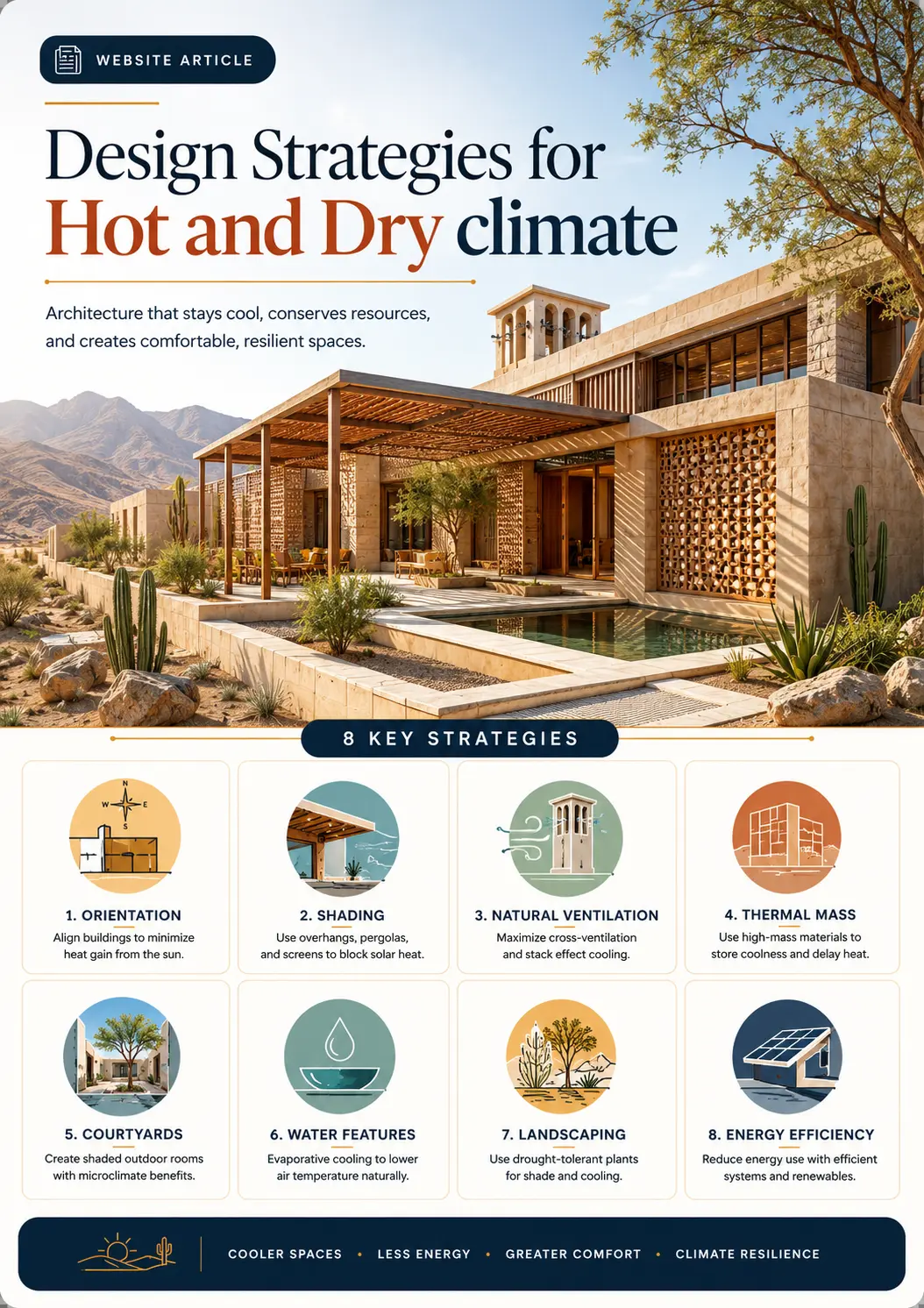
- Thick, Insulated Walls: Use adobe, rammed earth, or insulated concrete to keep interiors cool by absorbing and slowly releasing heat.
- Small, Shaded Openings: Minimize large windows on sun-exposed sides. Use deep overhangs, verandas, or mashrabiya screens to block direct sunlight.
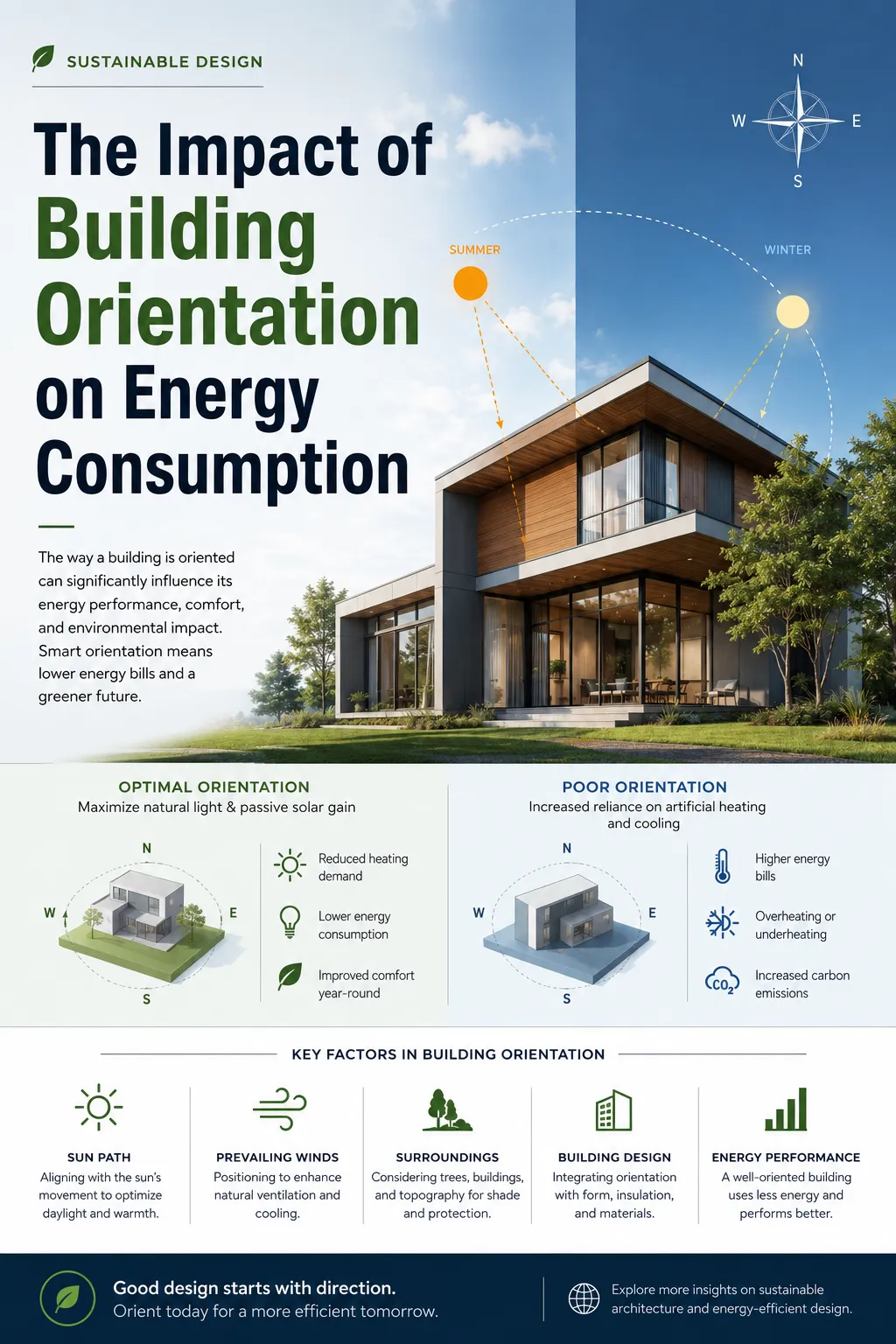
- Orientation: Position the building to minimize solar gain. North–south orientation reduces harsh east/west sun exposure.
- High Thermal Mass + Night Ventilation: Allow walls and floors to absorb heat by day and release it at night when cool air is let in.
💨 Natural Cooling Techniques
- Courtyards & Atriums: Central courtyards promote air circulation and act as cool microclimates.
- Wind Towers (Badgirs): Traditional Persian/Middle Eastern towers catch and funnel breezes into the house for passive cooling.
- Cross Ventilation: Place windows and vents strategically to allow airflow across rooms.
- Light-Colored Exterior Finishes: Reflect rather than absorb heat, helping reduce solar gain.
💧 Water Conservation & Desert Landscaping
- Xeriscaping: Use drought-tolerant native plants, gravel, and mulch to reduce water needs.
- Rainwater Harvesting: Collect and store seasonal rains using cisterns or underground tanks.
- Greywater Recycling: Reuse sink/shower/laundry water for landscape irrigation.
- Drip Irrigation: Efficient watering directly at the plant roots minimizes evaporation.
🏠 Building Materials
- Rammed Earth / Adobe / Cob: Natural and thermally massive, perfect for regulating interior temps.
- Green Roof with Desert Plants: Adds insulation and reduces rooftop heat gain.
- Insulated Reflective Roofs: Cool roofs reduce indoor temperature dramatically in hot sun.
⚙️ Energy Efficiency
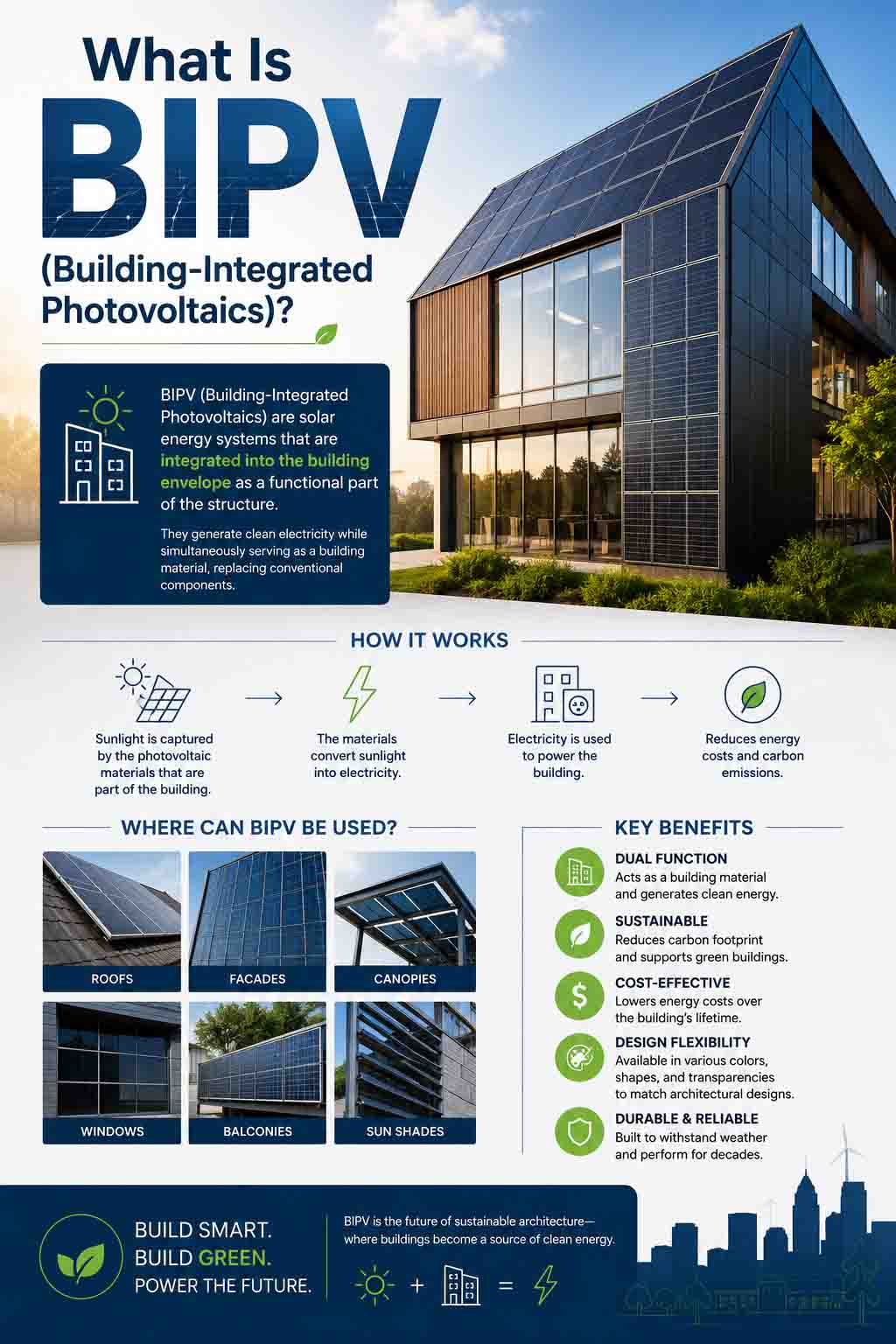
- Solar Panels: Dry climates usually get ample sun—perfect for photovoltaics.
- Solar Water Heaters: Simple and effective in sunny, arid regions.
- Efficient HVAC with Zoning: Cool only the rooms in use, ideally paired with ceiling fans or evaporative coolers.
- Smart Shading: Automated blinds or louvers that respond to the sun’s angle.
🔄 Layout and Function
- Zoned Living Spaces: Arrange high-use areas in cooler zones or shaded areas of the home.
- Underground or Partially Earth-Bermed Areas: Naturally cooler spaces for bedrooms or storage.