| Section | Key Insights | Important Data / Metric | Primary Source |
|---|
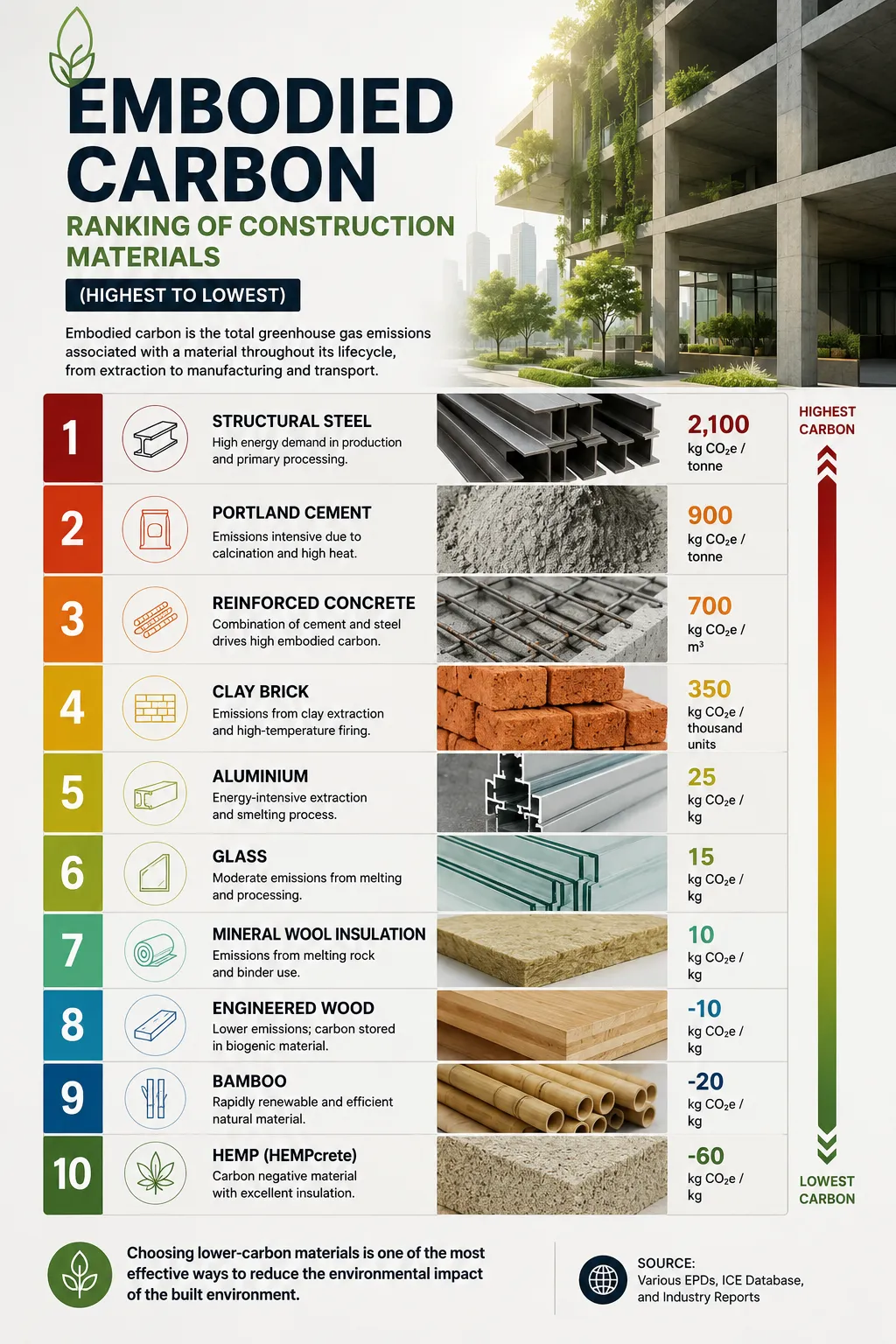
| Types of Data Center Water Consumption | Water use is categorized into direct (onsite cooling) and indirect (electricity generation). | Direct: Cooling towers, evaporative cooling, humidification. Indirect: Water used by power plants generating electricity. | Nature |
| Water Usage Effectiveness (WUE) | Industry-standard metric for measuring water efficiency. Lower values indicate better efficiency. | WUE = Annual Water Usage (Liters) ÷ IT Equipment Energy (kWh) |
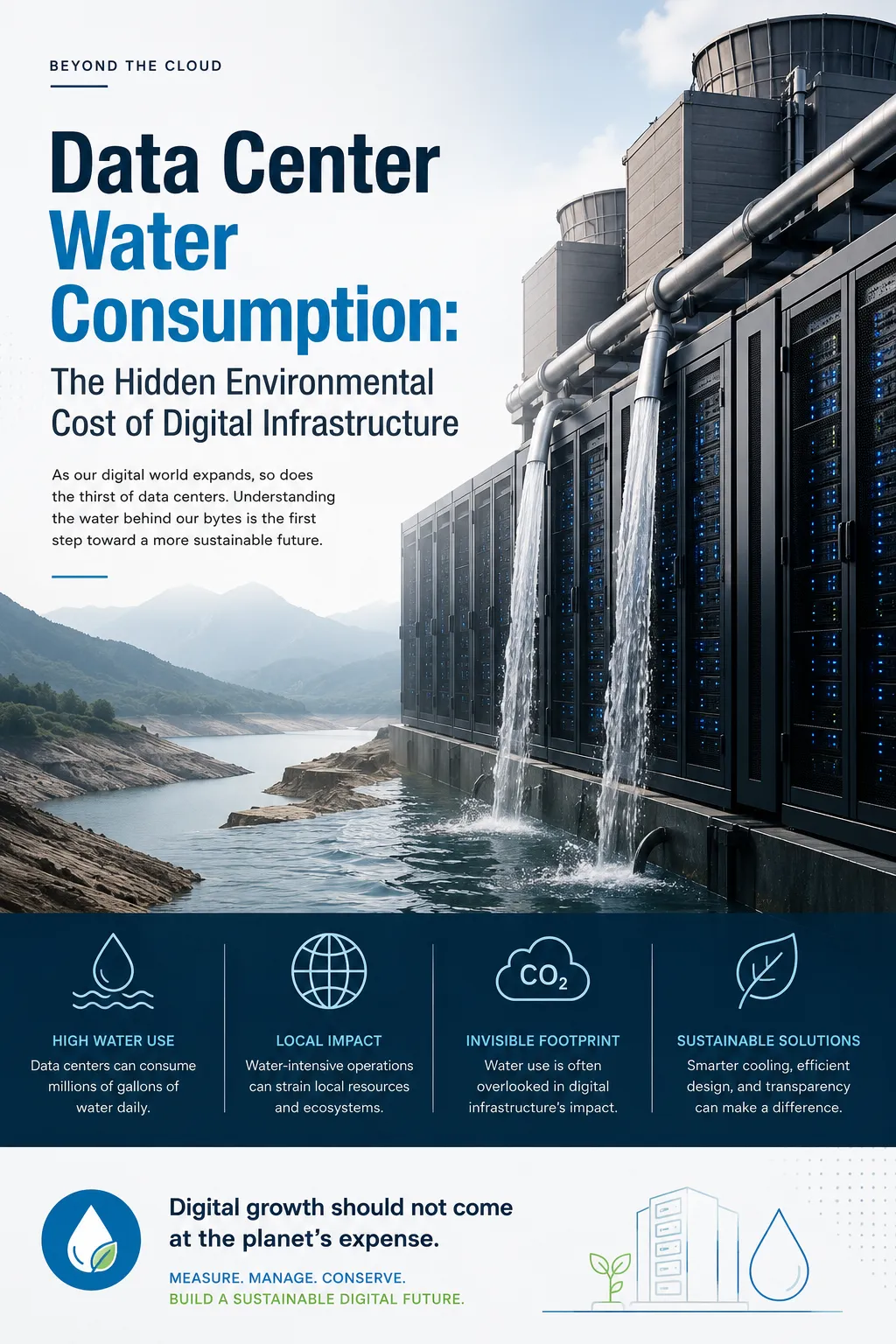
| Annual Water Consumption by Facility Type | Water consumption varies significantly depending on facility size and cooling technology. | Enterprise: 5–20 million gallons/year; Colocation: Up to 110 million gallons/year; Hyperscale: Up to 5 million gallons/day | EESI |
| Impact of AI Workloads | AI clusters generate significantly higher heat, increasing cooling and water demand. | Global data centers consumed ~415 TWh of electricity in 2024 (~1.5% of global electricity demand). | International Energy Agency (IEA) |
| Cooling Technologies | Cooling architecture directly determines water usage. | Air Cooling: Low water use; Evaporative Cooling: Higher water use; Liquid Cooling: Improved efficiency with reduced freshwater dependence. |
| Cloud Provider Initiatives | Major hyperscalers have adopted different water efficiency strategies. | Google: PUE ~1.09; AWS: 0.12 L/kWh operational water efficiency; Microsoft: Closed-loop cooling investments. | Google, AWS, Microsoft |
| Geographic Influence | Climate has a greater impact on water consumption than facility size alone. | Hot climates (Arizona, Texas, India, Middle East) require substantially more cooling water than cooler regions (Nordics, Canada). |
Cooling Technology Determines Water Consumption
Types of cooling used in the data center are:
Air Cooling
- Lowest direct water usage
- Higher electricity consumption in hot climates
- Water Based Cooling tower using water, comparatively lesser then evaporative cooling, but more than liquid cooling.
Evaporative Cooling
- Lower electricity demand
- Higher freshwater consumption
Liquid Cooling
Increasingly deployed for AI clusters.
Advantages include:
- improved heat transfer
- reduced fan energy
- lower overall cooling overhead
Several hyperscale operators are transitioning toward closed-loop liquid cooling systems to reduce freshwater dependence.
Direct vs. Indirect Water Consumption
Data Center Water Consumption is divided into two measurable categories:
Direct Water Consumption
Direct consumption includes water used within the facility for:
- Cooling towers
- Evaporative cooling
- Humidification
- Heat rejection systems
Facilities operating in warmer climates generally consume significantly more water than those relying on free-air cooling.
Indirect Water Consumption
Indirect consumption refers to water required for electricity generation. Since thermal power plants require substantial cooling water, the electricity consumed by a data center also carries an embedded water footprint.
This distinction means that evaluating only onsite water usage underestimates the industry’s actual environmental impact.
How Major Cloud Providers Compare
Google reports a fleet-wide Power Usage Effectiveness (PUE) near 1.09, among the industry’s most efficient. The company also publishes annual water stewardship data and location-specific cooling strategies.
Reference:
Microsoft
Microsoft measures Water Usage Effectiveness across its global infrastructure and has invested heavily in closed-loop cooling technologies that reduce freshwater demand.
Reference:
Amazon Web Services (AWS)
Amazon recently reported an average operational water efficiency of 0.12 liters per kWh, significantly below commonly cited industry averages through increased reliance on air cooling and optimized cooling system design.
Reference:
See also:
Data Centers and Water Consumption
Water Conservation for Hot and Dry Climates
Waste Reduction: Strategies, Benefits, and Impact for a Sustainable Future